Clintonville Home Styles Guide for Savvy Buyers
December 18, 2025
December 18, 2025
Trying to tell a Craftsman from a Cape Cod on a Saturday tour through Clintonville? You are not alone. With homes built across several eras, the neighborhood’s charm can make quick decisions tough, especially if you are weighing light, storage, and renovation potential. This guide shows you what to look for, how the main styles live, and which photos to capture so you can compare homes with confidence. Let’s dive in.
Clintonville grew in waves, from streetcar-era bungalows to midcentury ranches and split-levels. You will find mature trees, irregular lot sizes, and a mix of house ages on the same block. Some streets and properties have historic recognition, which can influence exterior changes and additions. For a quick neighborhood overview, see the concise history in the Clintonville article.
The tree canopy shapes light and privacy. Pre-war lots may be narrower or shallower than later suburbs, which matters if you plan a rear addition. Because most listings are older homes, you will often see updated kitchens, restored porches, new windows, and basement finishes rather than new construction.
If you are considering exterior changes, start with the City’s rules. The City of Columbus Historic Preservation resources outline review and permits for façades, dormers, windows, and additions. Local advocacy and examples are also available through Columbus Landmarks.
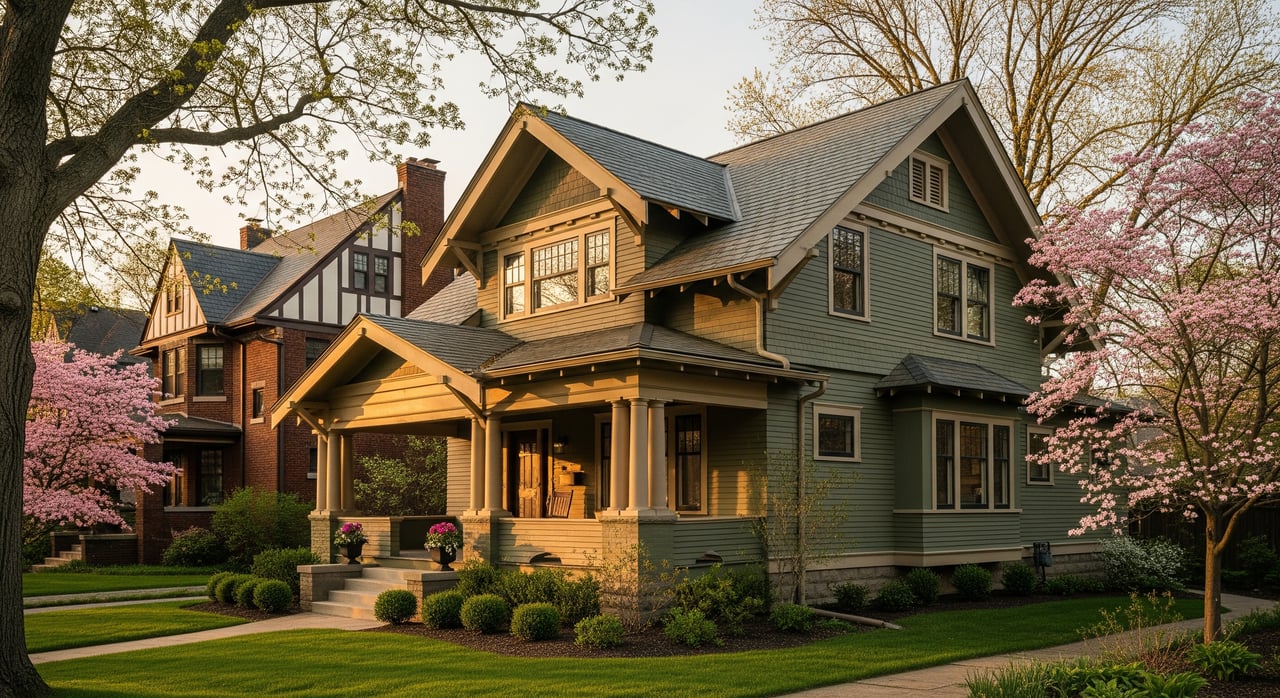
Want a quick style refresher while touring? The style overviews in the This Old House house styles guide are a helpful reference. Below are the four styles you will spot most often in Clintonville, with practical notes on size, light, storage, and renovation.
Layout and size. Expect a compact footprint with a main-floor living and dining room, a small original kitchen, and 2 to 3 bedrooms either on the main floor or upstairs in a half story. Typical size runs roughly 900 to 1,600 square feet, with many under 1,400.
Light and storage. Deep eaves and front porches soften direct sun in front rooms. Original windows are often smaller, so daylight is best in living rooms or sun porches. Closet space is limited, and basements carry most storage. Attic headroom varies, especially before dormer additions.
Renovation notes and common updates. Bungalows adapt well to modern living. Popular moves include opening the main floor, enlarging or relocating the kitchen to the rear, finishing the basement, and adding dormers for upstairs headroom. In designated areas, exterior changes can trigger review, so confirm with the City of Columbus Historic Preservation staff before planning façade work.
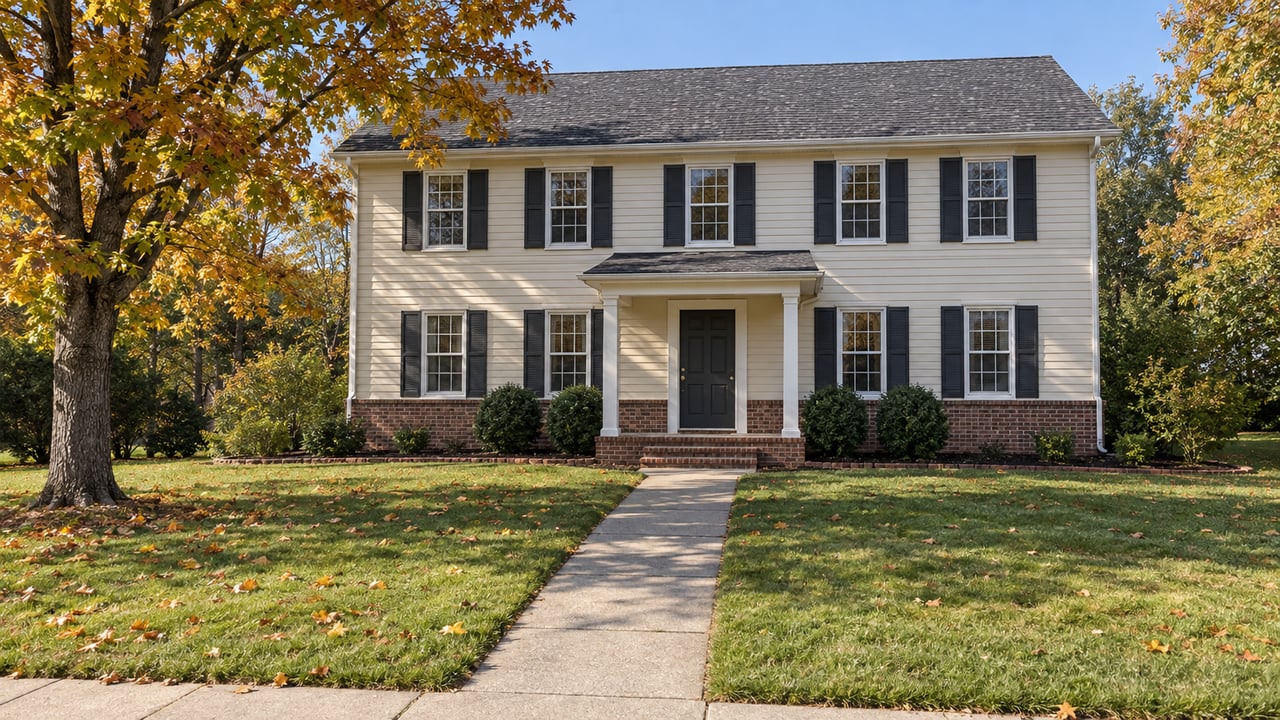
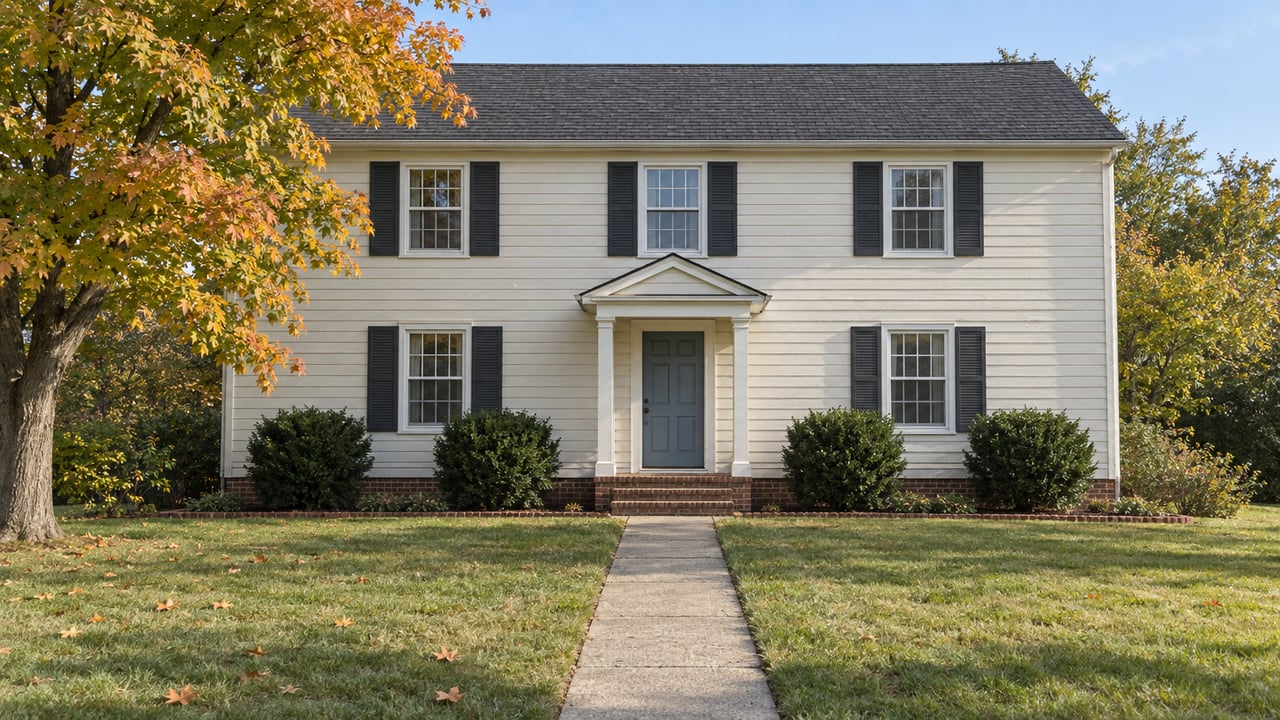
Layout and size. The classic Cape Cod is a compact rectangle with a central hall and rooms on each side. Upper rooms tuck under the roof slope. Typical size runs about 800 to 1,400 square feet, usually smaller than Craftsman or Tudor homes.
Light and storage. Without dormers, second-floor rooms can feel tight and dim due to roof slope and smaller windows. Adding or enlarging dormers makes a big difference in daylight and usable floor area. Basements handle most storage, and many renovations add closets over time.
Renovation notes and common updates. The most effective expansions are dormer additions or modest rear additions for a kitchen bump-out or mudroom. Main-floor reconfigurations that open the kitchen to living areas are common. New siding and window replacements are frequently seen in listings.
Layout and size. You will see more open flow between living and dining spaces, with larger kitchen footprints in later examples. Many have direct access to patios and backyards. Typical size ranges from 1,100 to 1,900 square feet, often 1,200 to 1,600.
Light and storage. Larger windows and direct yard access bring in better daylight than many earlier styles. Eaves can shade upper window areas, and mature trees will also affect light. Storage is frequently in the garage and basement. Many midcentury basements have adequate ceiling heights for finishing.
Renovation notes and common updates. Open-plan reconfigurations, kitchen remodels, and window upgrades are popular. Many owners improve insulation and HVAC to boost comfort and efficiency. If you plan to convert a garage or expand, confirm zoning and permit needs with the City.
Layout and size. Tudors are often more vertically oriented and compartmentalized, with formal living and dining rooms and bedrooms upstairs. Many in Clintonville range from about 1,400 to 2,400 square feet.
Light and storage. Multiple small-paned casement windows can yield a cozy feel but may cast less overall light than modern windows. Basements are usually ample for storage. Attic spaces vary based on the roof geometry.
Renovation notes and common updates. These homes have character-defining exteriors. Masonry, stucco, and half-timber elements often require specialized contractors. Inside, owners modernize kitchens and add baths while preserving arched openings and trim. If you want to enlarge windows or alter façades, expect sensitivity and possible review by the City of Columbus Historic Preservation.
Bring your phone and capture a consistent set of images to compare light, storage, and expansion potential later.
Caption your photos with quick facts to make comparisons easy. For example: “Craftsman bungalow, c.1920. North-facing living room with muted light. Full basement with standing height, good candidate for finishing.”
Older homes perform beautifully when updated correctly. Plan ahead for the items below and work with licensed pros.
If you are comparing project returns, use regional data in the Cost vs. Value report to understand typical payback for kitchens, additions, and window replacements.
Use these quick questions to focus each showing and your post-tour notes.
Each Clintonville style has a distinct feel. Bungalows bring craftsman charm and easy modernization. Capes can grow with dormers and small additions. Midcentury homes deliver larger windows and flexible layouts, and Tudors offer rich character with careful updates. When you match style to your light, storage, and project goals, you will know quickly which listings deserve a second look.
If you want a clear plan for tours, photos, and renovation trade-offs, connect with an advisor who knows the neighborhood and older-home construction. For a thoughtful, data-driven approach and attentive service, reach out to Deborah Parris for buyer representation or renovation-savvy listing guidance.

Your Next move starts with a conversation.
DEBBIE PARRIS
3160 Kingsdale Center Upper Arlington OH 43221