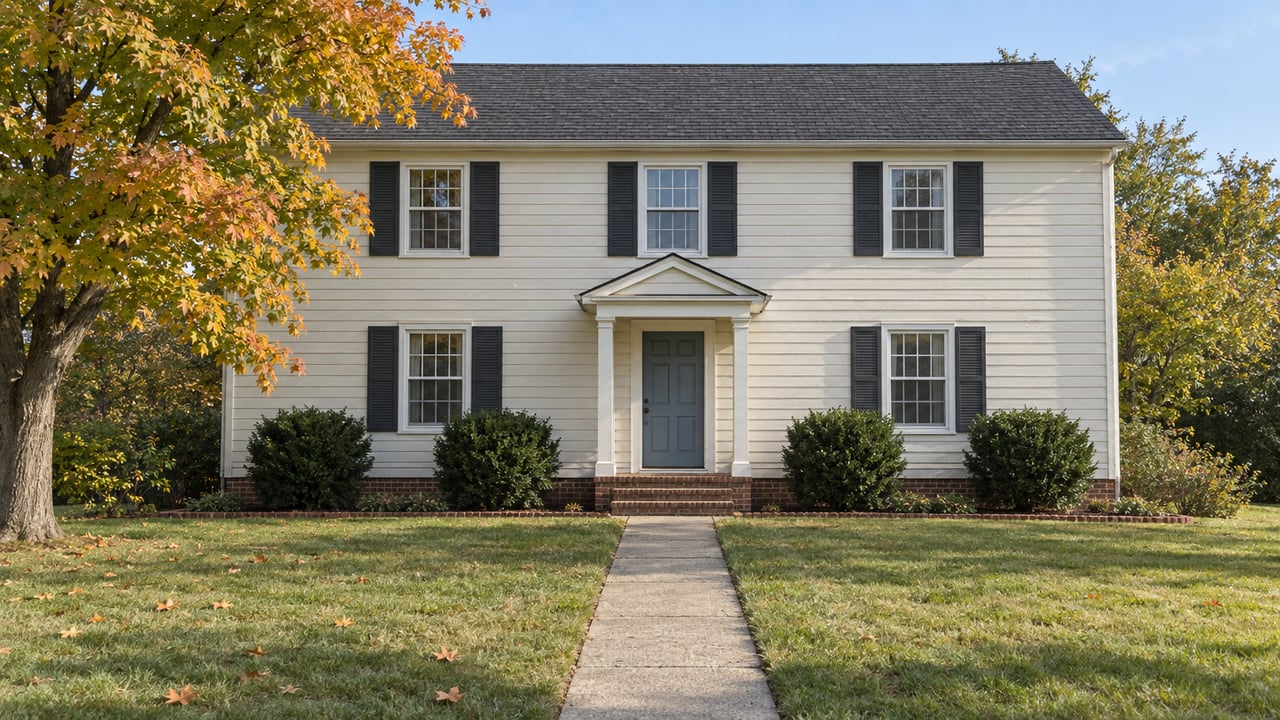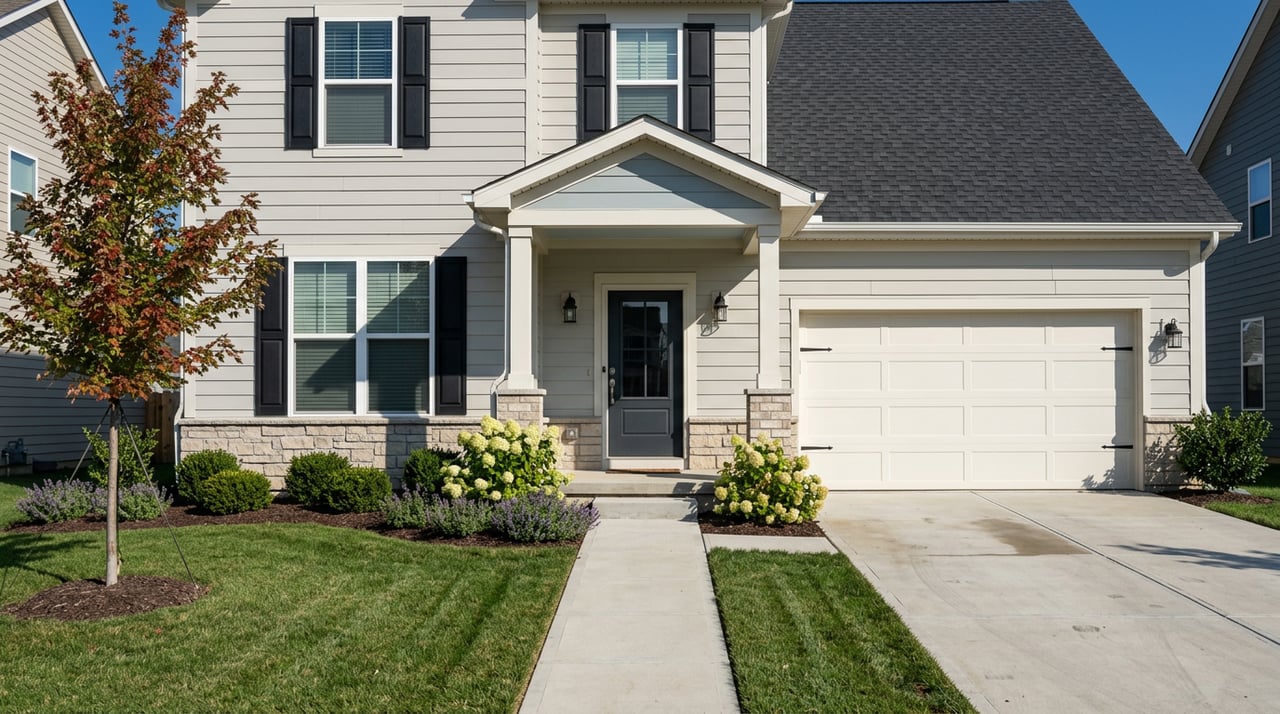
You want a new home that fits your life and still keeps your Columbus commute reasonable. Plain City sits just northwest of the metro, so you can enjoy fresh construction, modern floor plans, and quiet streets without giving up weekday convenience. In this guide, you will learn what kinds of new builds you can find in Plain City, how long they take, what to watch in contracts and financing, and which upgrades help resale. You will also get clear tips for commute checks and local permits. Let’s dive in.
Why Plain City works for commuters
Plain City is about 25 miles from downtown Columbus, with a typical drive of roughly 25 to 35 minutes depending on route and traffic. You can confirm that estimate with a simple route check from Plain City to Columbus using a drive distance tool that shows about 25 miles between the two. A representative route estimate helps you set expectations.
Census data shows Plain City residents report a mean travel time to work around 23 minutes, which supports its role as a commuter base for areas like Dublin and Hilliard. You can review the place profile and mean travel time on Census Reporter’s Plain City summary.
The village is small, with a population in the low 4,000s and steady recent growth. Much of the new housing activity clusters along the Jerome and Glacier Ridge corridor, where master-planned communities have opened up more choices for buyers.
New builds in Plain City: what you will find
Master-planned options and builders
The largest, most visible development in the corridor is Jerome Village, a multi-neighborhood master plan with trails, a community center, and retail nodes. Multiple builders offer a range of architectural styles and lot sizes within its sub-neighborhoods. You can get a helpful overview of its amenities and variety from this Jerome Village feature.
Outside of Jerome Village, you will see production neighborhoods by brands such as D.R. Horton, M/I Homes, Fischer Homes, Pulte, and Rockford Homes. These often include a mix of ranch and two-story plans, plus smaller patio or attached options in certain phases. Representative communities you may hear about include Darby Station and Madison Meadows. Inventory and pricing change frequently, so plan to verify what is available when you are ready to shop.
Home types and lot patterns
- Patio or attached homes. These lower-maintenance products are attractive if you want a smaller yard and simpler upkeep. They typically sit on smaller lots and offer a lower entry price than larger single-family plans.
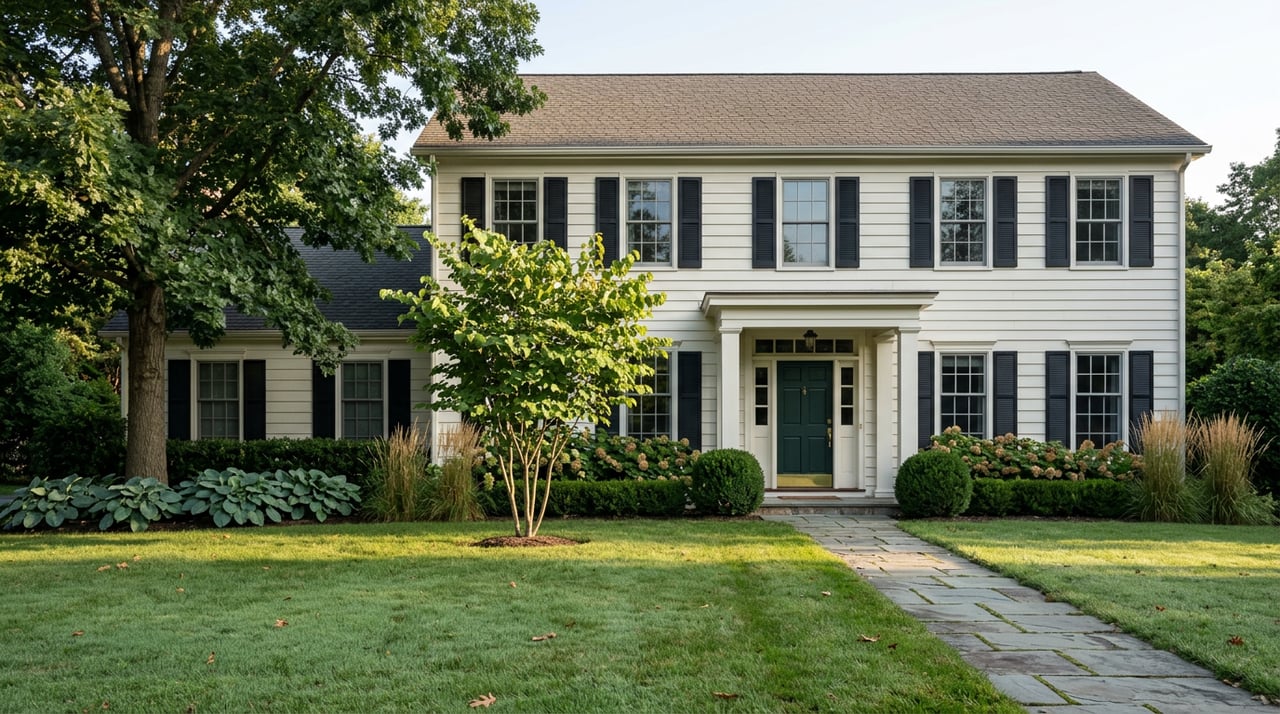
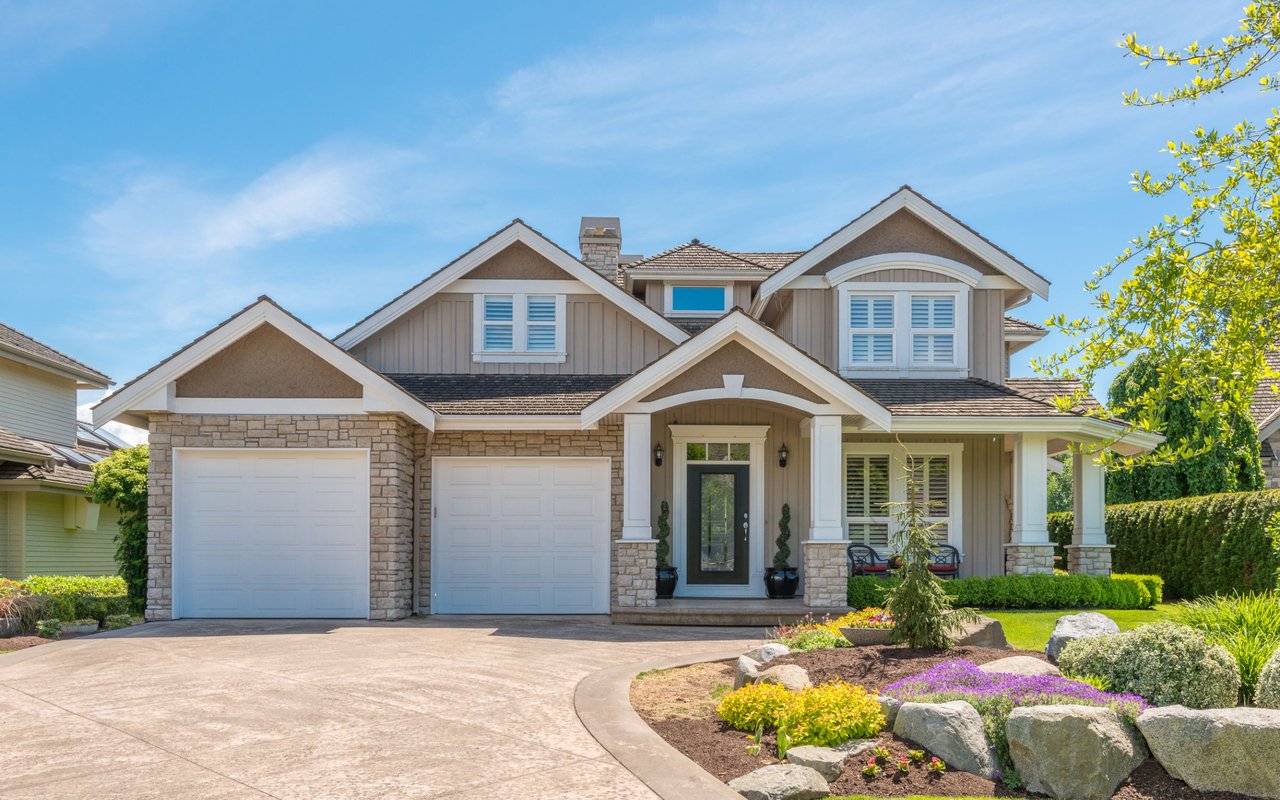
- Standard single-family homes. Most Plain City new builds fall in this category. You will see 3 to 5 bedrooms and roughly 2,000 to 3,000 square feet or more on suburban lots.
- Larger lots and green buffers. Select pockets, including some Jerome Village neighborhoods, offer more generous lot sizes or more separation between homes. If yard space is a top priority, flag those subareas early in your search.
Amenities and HOAs
Many new subdivisions include common-area maintenance through an HOA along with trails, pools, or a community center. Fee schedules and covenant rules vary by plat. Before you commit, review the HOA documents for what is maintained, any design rules, and the current monthly or annual fees. This will help you compare total cost of ownership across neighborhoods.
Commute reality checks
Primary routes and time swings
Most commuters connect via State Route 161 and U.S. 42 to I-270 and the broader Columbus network. Access to the US-33 and I-270 corridors is a key selling point in the Jerome Village area. During peak hours, congestion along US-33 and I-270 can add time. A 25 to 35 minute estimate is a good baseline, but incidents or directional rush-hour traffic can add 10 to 30 minutes. Run a live test drive to your specific workplace address at your usual departure times.
Car dependence and daily logistics
Newer Plain City subdivisions are largely car-dependent. Plan your daily routes for school runs, childcare, errands, and hybrid-work schedules. If you need consistent sub-30-minute travel to a particular Columbus employment node, test that route more than once before you put down a deposit.
Smart commute tests
- Map a Plain City to Columbus route to set a baseline. A drive distance check is a quick first step.
- Drive your exact route during peak times on two different weekdays.
- Add five to ten minutes for average day-to-day variation, and more if your route relies on an I-270 interchange.
Build timelines and move-in planning
How long a new home takes depends on the path you choose.
- Spec or quick-move-in homes. These are already under construction or complete. They offer the fastest path to keys and typically close on a standard mortgage timeline.
- Build-to-order homes. You select the lot, plan, and options. Expect several additional months compared with a spec home.
- Custom builds. These usually run the longest timeline given design, permitting, and more complex construction.
National data shows many single-family production builds finish in roughly 8 to 11 months from permit to completion. Use this as planning guidance, then get a written completion window from your builder. See Sofi’s construction timeline overview for context on typical durations.
Plain City permits: what to know
The Village of Plain City requires a zoning permit first. Building permits are then required as applicable through the village. Permits expire if work does not begin within one year or is not substantially completed within two and a half years. That language matters for your contract and for any custom work you plan on your lot. You can review current requirements on the village’s planning and zoning permits page.
Tip: if your builder handles permitting, ask for a permit status update in writing at key milestones. If you are building on your own lot, check the fee schedule and submittal steps before design work begins.
Contracts, deposits, and warranties
Builder purchase and construction contracts are standardized, but the details matter. Focus your review on:
- Completion date language. Confirm the stated window, what counts as a delay, and what happens if it slips.
- Change orders and allowances. Know how upgrades are priced and documented to prevent budget surprises.
- Deposits and payments. Spec homes usually close like a resale with a standard mortgage. Build-to-order deals may require staged deposits. Clarify what is refundable and what binds you to the purchase.
- Final walk-through and punch list. Look for a clear process and deadlines for completion of items before closing.
- Warranties. Most production builders offer a short-term workmanship warranty and a longer structural warranty. Read coverage, exclusions, and the claim process carefully.
For a practical checklist of pitfalls and what to review in builder contracts and warranties, see Bankrate’s guide to buying new construction.
Financing your new build
- Spec homes. These typically close with conventional, FHA, or VA financing on a normal timeline.
- Construction-to-permanent loans. Custom or to-be-built homes may use a construction loan that converts to a mortgage at completion. Understand draw schedules and how interest-only payments during construction affect your cash flow.
- Preferred lenders and incentives. Many builders offer credits for using a preferred lender. Compare total costs and rates before you commit.
For a primer on construction loans and how they convert to a long-term mortgage, read this overview of construction-to-perm financing.
Upgrades that support resale
You will face a lot of design choices. Prioritize items that help your home show well and hold value in the Central Ohio market. The annual Cost vs. Value report tracks how projects tend to recoup costs at resale, and many exterior and modest interior improvements perform especially well. Explore national and regional patterns at Cost vs. Value.
High-priority ideas during your design visit:
- Durable, neutral finishes. Midgrade quartz or solid-surface countertops, neutral paints, and durable luxury-vinyl or hardwood-look floors appeal to a wide buyer pool.
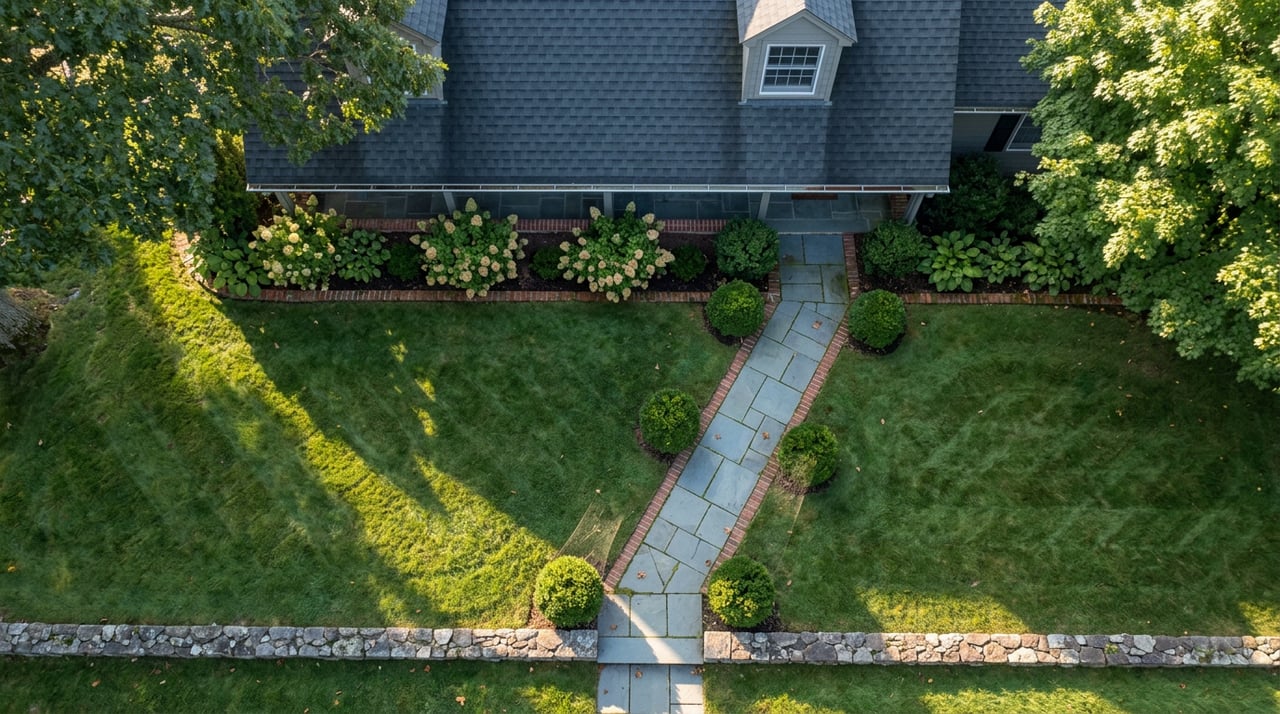
- Curb appeal that pops. Garage door and steel entry door upgrades often show strong recoup rates and can even exceed 100 percent in many markets. Fiber-cement siding and simple, low-maintenance landscaping also help first impressions.
- Kitchen value. A minor kitchen refresh frequently outperforms upscale overhauls on ROI. Think layout clarity and storage, not only high-end finishes.
- Energy and systems. Efficient HVAC, quality insulation, and modern water heaters can be selling points. Keep documentation for your future listing package.
- Functional spaces. A defined home office or flexible room and a smart mudroom or laundry setup are useful for many buyers.
Use the Cost vs. Value data to sort upgrades by likely impact and avoid over-personalizing big-ticket items. You can dig deeper into recoup patterns at Cost vs. Value.
Families and schools: confirm assignment
Much of Plain City falls within Jonathan Alder Local Schools. Some areas that interact with parts of the Jerome Village master plan may connect with other districts depending on the exact address. Before you choose a lot, confirm your school assignment directly with the district. The district’s site lists schools and contact information on the Jonathan Alder Schools page.
Quick buyer checklist
Before you place a deposit:
- Test the commute to your exact workplace during peak hours on two different weekdays.
- Confirm school assignment for your specific lot with the district.
- Ask for a sample contract and warranty documents for review.
- Get a written build timeline with remedies for unreasonable delays.
During the design appointment:
- Request itemized pricing for all options and allowances.
- Compare key upgrade costs to independent alternatives where allowed.
- Prioritize high-ROI items called out in Cost vs. Value.
At contract signing:
- Have an experienced buyer’s agent or attorney review completion dates, deposits, change-order pricing, and the warranty claim process. A practical overview of common pitfalls is in Bankrate’s new construction guide.
- Confirm your lender choice, rate structure, and whether you need a construction-to-perm product. See this construction loan primer for basics.
Ready to compare neighborhoods, builders, and timelines with a Plain City commute in mind? Let’s map the options to your work address, budget, and move date. Connect with Deborah Parris for evidence-based new-construction guidance, neighborhood insights across the northwest corridor, and step-by-step support from lot selection to closing. Request Your Free Home Valuation if you plan to sell before you build.
FAQs
How long is the Plain City to Columbus commute in rush hour?
- Plan for a baseline of about 25 to 35 minutes for downtown, and add 10 to 30 minutes during peak periods depending on your route and incidents; verify with a route estimate and live test drives.
What new-construction home types are common in Plain City?
- You will find patio or attached homes for lower maintenance, standard 3 to 5 bedroom single-family plans, and select pockets with larger lots or green buffers within master-planned neighborhoods.
What should I know about HOAs in new Plain City communities?
- Many include common-area maintenance, trails, and sometimes pools or a community center; review each HOA’s fee schedule, rules, and maintenance scope before you commit.
How long will a build-to-order home take compared with a spec home?
- Spec homes close fastest since they are complete or near-complete; build-to-order homes often add several months, and national data puts many production builds in the 8 to 11 month range from permit to completion per Sofi’s overview.
Do I need permits if I build on my own lot in Plain City?
- Yes; the village requires a zoning permit first and applicable building permits, with expiration rules if work does not start within one year or reach substantial completion within two and a half years; see the village permit page.
Which upgrades typically deliver strong resale value here?
- Cost vs. Value data shows exterior curb-appeal items like garage and entry doors often recoup a high percentage of cost, while a minor kitchen refresh and durable siding also tend to perform well; see Cost vs. Value.
Which school district serves most Plain City addresses?
- Much of Plain City is served by Jonathan Alder Local Schools, though some nearby areas interface with other districts; confirm assignment for your exact lot via the district’s schools page.