Relocating to Upper Arlington for OSU or Riverside Work
April 16, 2026
April 16, 2026
If you’re taking a new role at Ohio State or Riverside Methodist Hospital, where you live can shape your whole routine. You want a home base that keeps the commute manageable, supports daily life, and still feels established and welcoming when you are learning a new city. Upper Arlington often lands on that shortlist for good reason, and this guide will help you understand what to expect before you start your move. Let’s dive in.
Upper Arlington is a first-ring suburb of Columbus with a primarily residential feel and a central location. According to city materials, it is just under 10 square miles and offers mature street trees, strong city services, and a housing mix that includes single-family homes, condos, townhomes, apartment complexes, and senior living.
For professionals relocating for work, that centrality matters. The city specifically highlights easy access to The Ohio State University, the 315 corridor, major research hospitals, downtown Columbus, and nearby shopping districts. If you are trying to balance work, errands, and downtime, that kind of location can make the transition smoother.
Upper Arlington also tends to appeal to buyers who want an established residential setting. U.S. Census QuickFacts reports that 79.8% of adults age 25 and older hold a bachelor’s degree or higher, and the median household income is $155,167. Those figures help explain why the area often feels like a natural fit for faculty, clinicians, and other professionals.
When you are relocating for a job, commute friction can become one of the biggest quality-of-life factors. Upper Arlington’s mean travel time to work is 19.3 minutes, which supports its reputation as a convenient base for local professionals.
Ohio State’s Columbus campus is located on W. Lane Avenue, while OhioHealth Riverside Methodist Hospital is on Olentangy River Road. Combined with the city’s own emphasis on access to Route 315 and nearby hospitals, Upper Arlington offers strong short-commute potential for many OSU and Riverside employees, though your exact drive will depend on the address and time of day.
That convenience is also reflected in how the area connects to surrounding destinations. The Lane Avenue district serves as a major entry corridor and includes retail, restaurants, professional services, and hotel options, which can be especially helpful if you are arriving before a permanent move is complete.
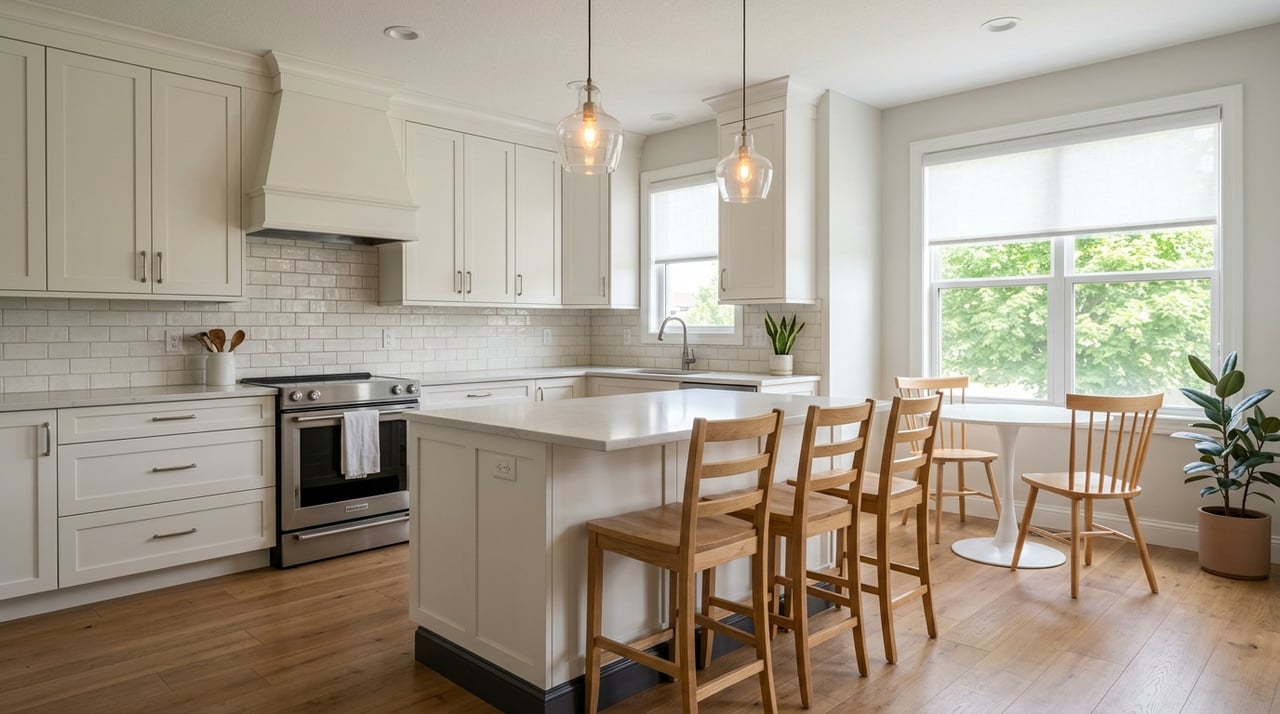
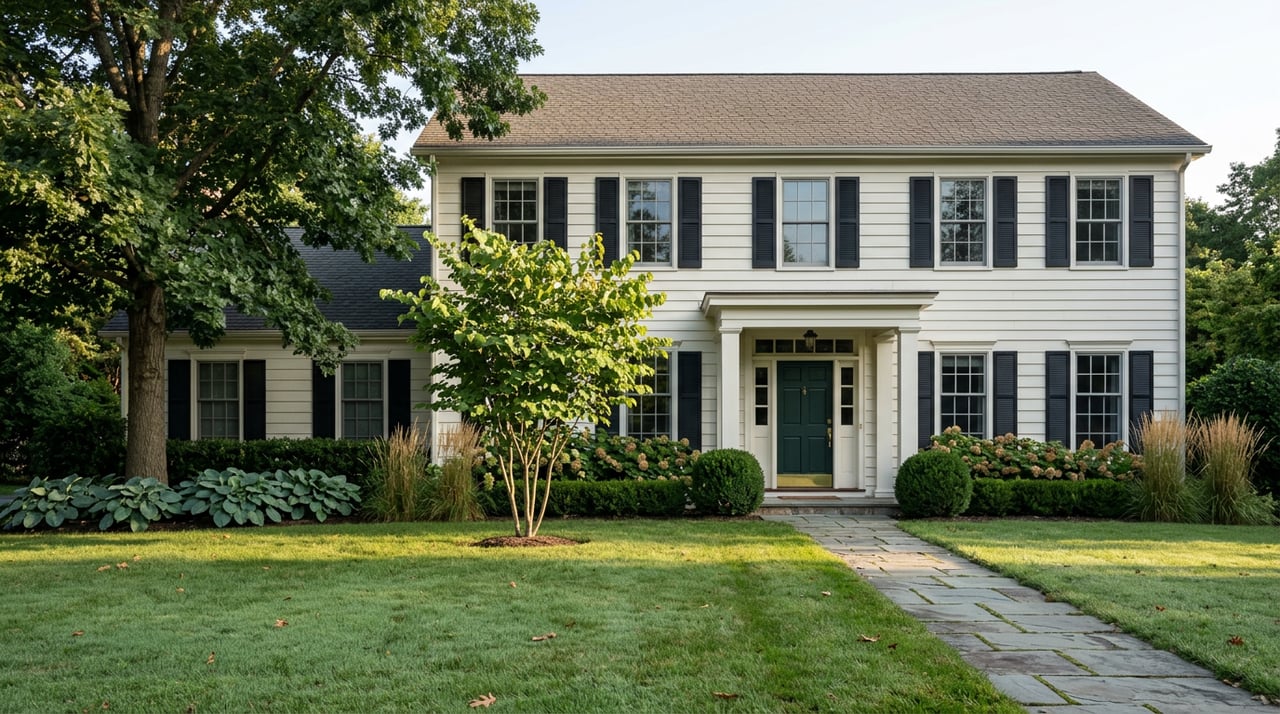
One of the biggest surprises for relocating buyers is that Upper Arlington is not a market defined by large waves of new construction. Instead, it is better understood as an established community with a broad housing mix and many homes that have been updated, expanded, or renovated over time.
The city notes that Upper Arlington includes historic and contemporary single-family homes, condos, townhomes, and apartments. City materials also point out that many residents invest in substantial renovations to older homes with character, which is useful context if you are comparing polished resales, homes with expansion potential, and lower-maintenance attached options.
Price expectations matter too, especially if you are coming from a different market. Census data shows an owner-occupied housing rate of 79.4%, a median owner-occupied home value of $595,600, median monthly owner costs with a mortgage of $3,189, and median gross rent of $1,588.
Here is a simple snapshot of what that means for your planning:
| Market measure | Upper Arlington figure |
|---|---|
| Owner-occupied housing rate | 79.4% |
| Median owner-occupied home value | $595,600 |
| Median monthly owner costs with mortgage | $3,189 |
| Median gross rent | $1,588 |
If you are relocating from out of state, these numbers can help you set a realistic budget before you begin tours. They can also help you decide whether renting first or buying right away makes the most sense for your timeline.
A good relocation choice is not only about the commute. It is also about what your days look like when you are not at the hospital, on campus, or in the office.
Upper Arlington’s parks system is a major part of that everyday appeal. The city’s Parks & Forestry department maintains 23 parkettes covering about 186 acres, with walking paths, playgrounds, sports fields, fitness trails, and naturalized areas. The city has also been recognized as a Tree City USA community since 1990.
For many buyers, those features translate into easy access to recreation without needing a long drive. If you value a neighborhood setting where outdoor space is built into the community fabric, that is a meaningful quality-of-life advantage.
Another recent addition is the Bob Crane Community Center, which opened on April 6, 2025, at 3200 Tremont Road. The city describes it as a 165,446-square-foot facility with an indoor pool, café, fitness and exercise spaces, an indoor playground, a walking and running track, meeting rooms, and program space, with COTA Routes 3, 32, and 75 also listed on the center page.
That kind of amenity mix can be especially useful if you are trying to build a routine quickly after a move. It supports fitness, casual family time, and community connection in one place.
Upper Arlington does not read as a place designed only for commuters. It has a more established neighborhood identity, and that can matter when you are deciding where to put down roots.
City materials highlight resident-driven traditions such as the Fourth of July parade, the Labor Day arts festival, and summer concerts. While events may not drive your home purchase on their own, they do give you a sense of the city’s rhythm and how residents use shared public spaces throughout the year.
For buyers moving from another city, that often makes Upper Arlington easier to picture as home. You are not just choosing a commute pattern. You are choosing a place with recurring local touchpoints and a strong residential character.
If you are relocating for work, your home search may need to happen on a compressed timeline. That usually means balancing remote research, financing, virtual tours, and one focused in-person visit.
A smart first step is getting your finances organized early. The Consumer Financial Protection Bureau recommends reviewing your credit, setting a budget, gathering documents, and meeting with multiple lenders. The CFPB also notes that closing costs typically run about 2% to 5% of the purchase price, not including the down payment.
That preparation can save time once homes start coming on the market. It also gives you a clearer framework for comparing options in a market where prices and property condition can vary meaningfully from one area or housing type to another.
The home search itself can also be more efficient than many buyers expect. The National Association of Realtors guidance notes that written agreements apply to both in-person and live virtual home tours, which is especially relevant for buyers relocating from outside the area.
A practical relocation workflow often looks like this:
If you want to learn the city before you arrive, Upper Arlington’s GIS maps and data tools can help. The city provides resources that layer in parks, pools, libraries, schools, commercial areas, zoning classifications, and historic district information, which can make your research far more targeted.
For many OSU and Riverside professionals, Upper Arlington offers a strong mix of convenience and day-to-day livability. You get central access, an established housing stock, practical amenities, and a residential setting that feels grounded rather than transient.
That does not mean every property or every block will fit every buyer the same way. But if your priorities include commute potential, neighborhood stability, and a broad range of home types in a well-established community, Upper Arlington deserves a close look.
If you are planning a move and want a clear, data-driven strategy for narrowing your options, Deborah Parris can help you evaluate neighborhoods, coordinate a focused home search, and make your relocation feel more manageable from start to finish.

Your Next move starts with a conversation.
DEBBIE PARRIS
3160 Kingsdale Center Upper Arlington OH 43221