Worthington Historic vs Newer Homes: Village or Subdivision?
February 19, 2026
February 19, 2026
Torn between a porch-lined street in Old Worthington and a nearby cul-de-sac with an attached garage? You are not alone. The choice shapes your daily routine, maintenance to-do list, and even how you get to dinner or the farmers market. In this guide, you will see how the historic village core compares with Worthington’s post-war and newer subdivisions across lifestyle, architecture, upkeep, and value. You will also get a practical touring checklist to use on showings. Let’s dive in.
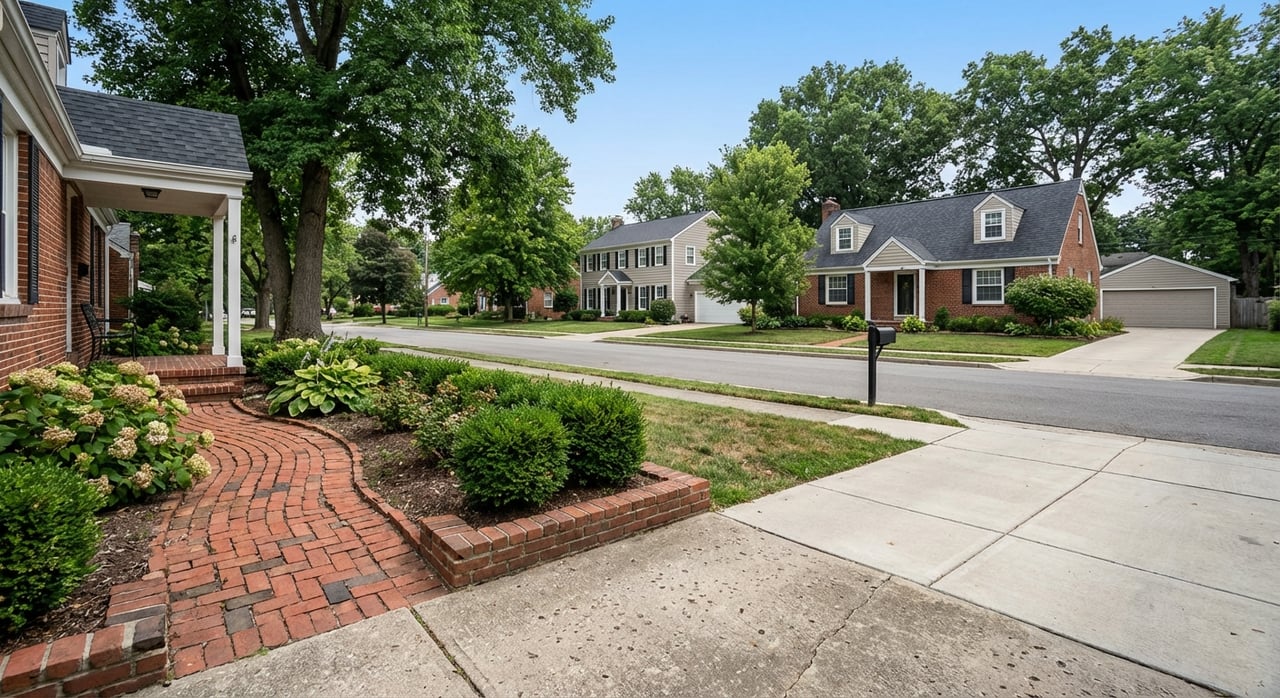
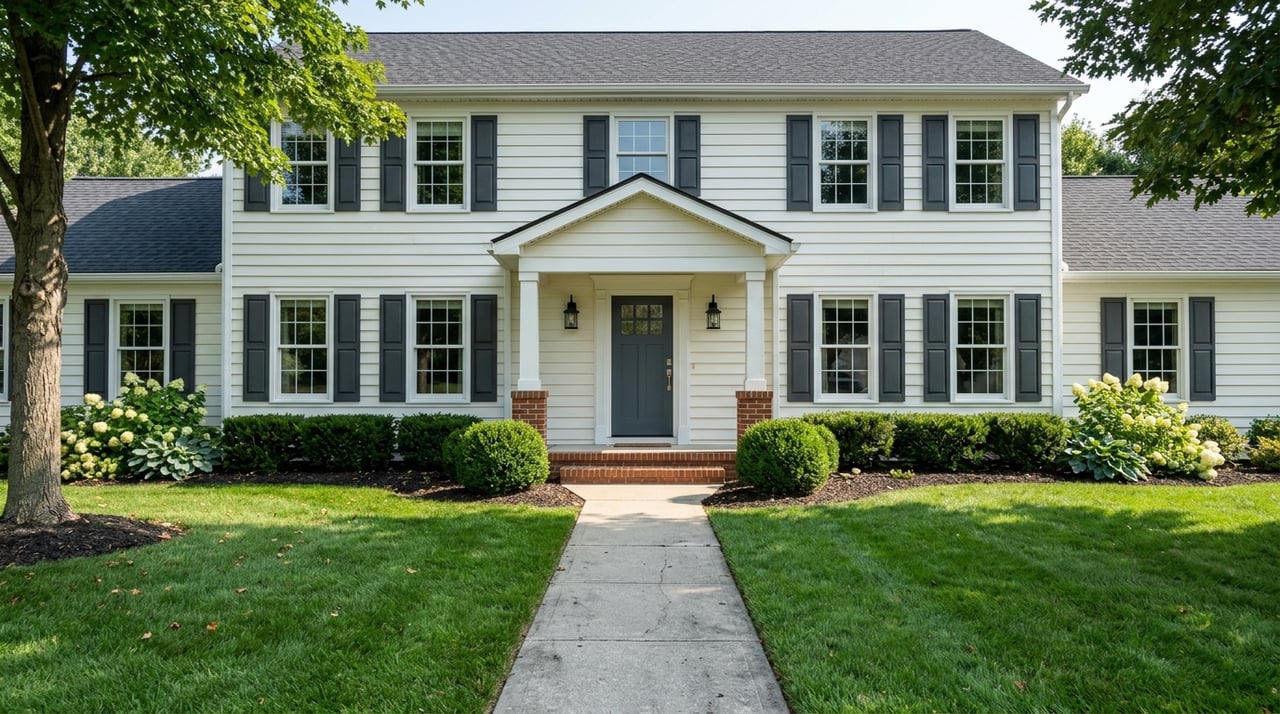
Old Worthington is a recognized historic district with buildings from the 19th and early 20th centuries. The area includes Federal, Greek Revival, Gothic Revival, Queen Anne, American Foursquare, Colonial Revival, and Cape Cod influences, as documented in the city’s National Register of Historic Places nomination. You will find porches, mature trees, sidewalks, and mixed-use storefronts along High Street.
Lot sizes vary. The original village plan used larger lots, but parcels were subdivided over time. Today you will see a mix of compact in-town yards and larger lots. Always check parcel data for the specific address.
Mid-century Worthington offers ranches, split-levels, Cape Cods, and early colonial-revival styles. Streets tend to be wider with driveways and attached or added garages. Many homes from this era have seen updates, but system upgrades can still be a focus during inspections.
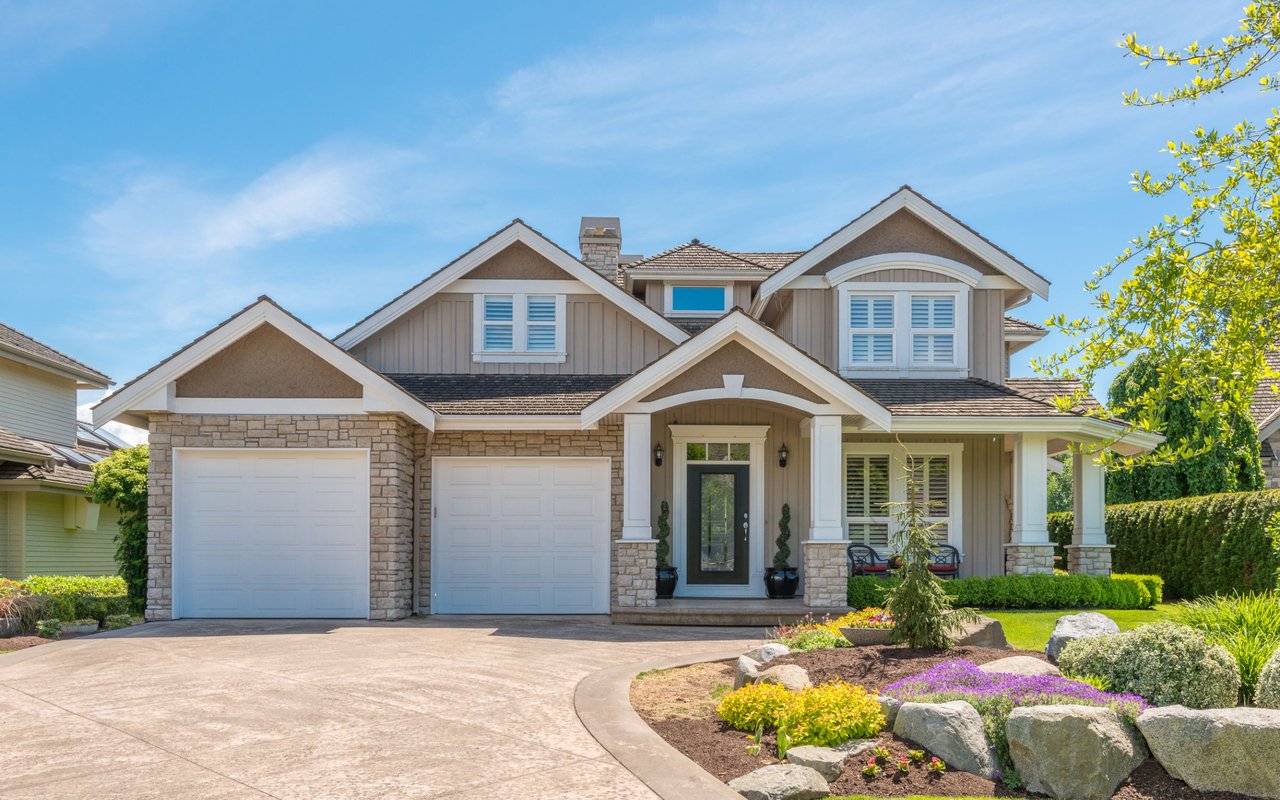
Later plats typically feature larger homes, cul-de-sacs, developer standards for landscaping and sidewalks, and frequent attached garages. Some communities include HOAs or deed covenants. These homes usually started with more modern building codes and mechanicals at the time of construction, though ages still vary by property.
If you want to walk to coffee, dinner, and seasonal festivals, the village core delivers. The city’s Farmers Market and events calendar shows regular activities at the Village Green and along High Street. Address-level Walk Scores on or near High Street often land in the very walkable range. An example High Street address shows walkability in the 70s.
Most residential streets outside the core are car-dependent or only somewhat walkable. Many errands will require a short drive. Walk Score varies by address, so check the specific property you are considering.
Both village and subdivision residents benefit from the Olentangy Trail, which links north to parks and south toward Ohio State and downtown-area connections. Regional green spaces like Highbanks Metro Park are an easy drive and a popular weekend outlet.
Worthington sits roughly 10 to 12 miles north of downtown Columbus. Non-peak drive times often run 15 to 25 minutes depending on route and traffic. Because time varies by address and time of day, check live directions before commuting. A distance reference is available here.
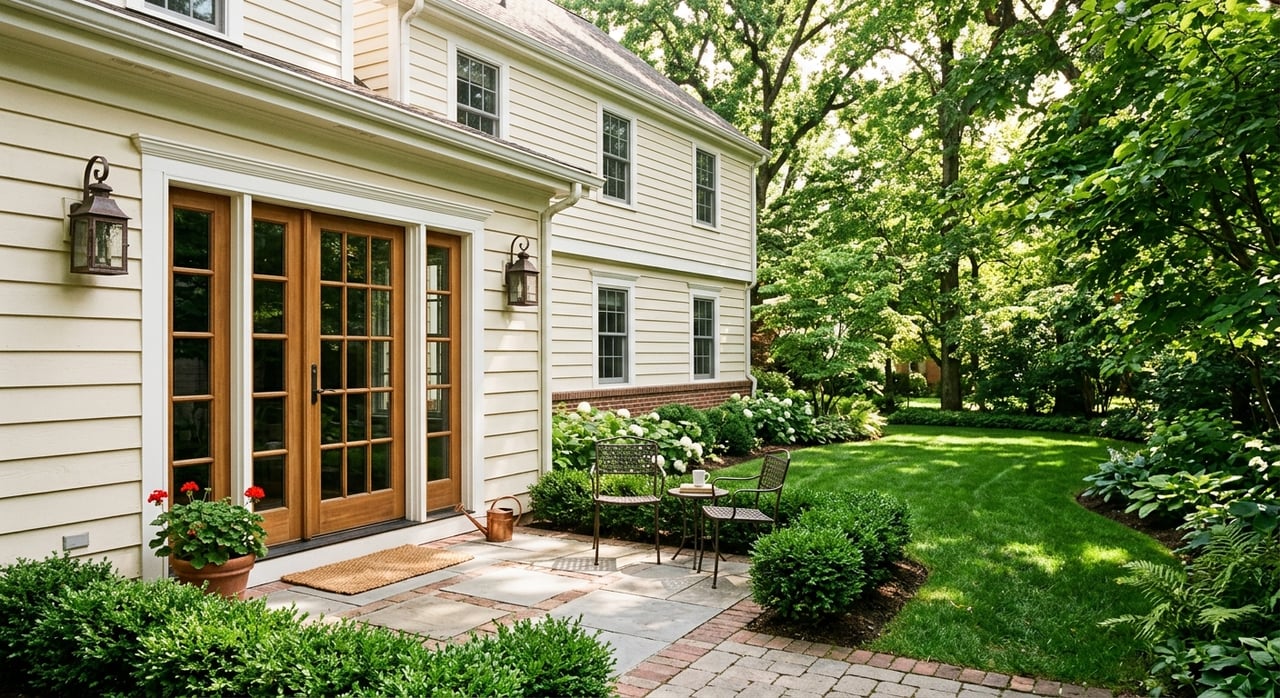
Older homes may include original wood windows and trim, plaster walls, and masonry or stone foundations. Preserving character while improving comfort is a common goal. The National Park Service offers guidance on sensitive energy upgrades like air sealing, attic insulation, and storm windows that respect historic materials. See the NPS overview on sustainability and energy efficiency for historic buildings.
If the home predates 1978, plan for lead-safe practices during any renovation that disturbs painted surfaces. Ask for the federal lead paint disclosure and any testing records, and confirm that contractors follow EPA RRP rules. You can review the EPA summary of RRP requirements here.
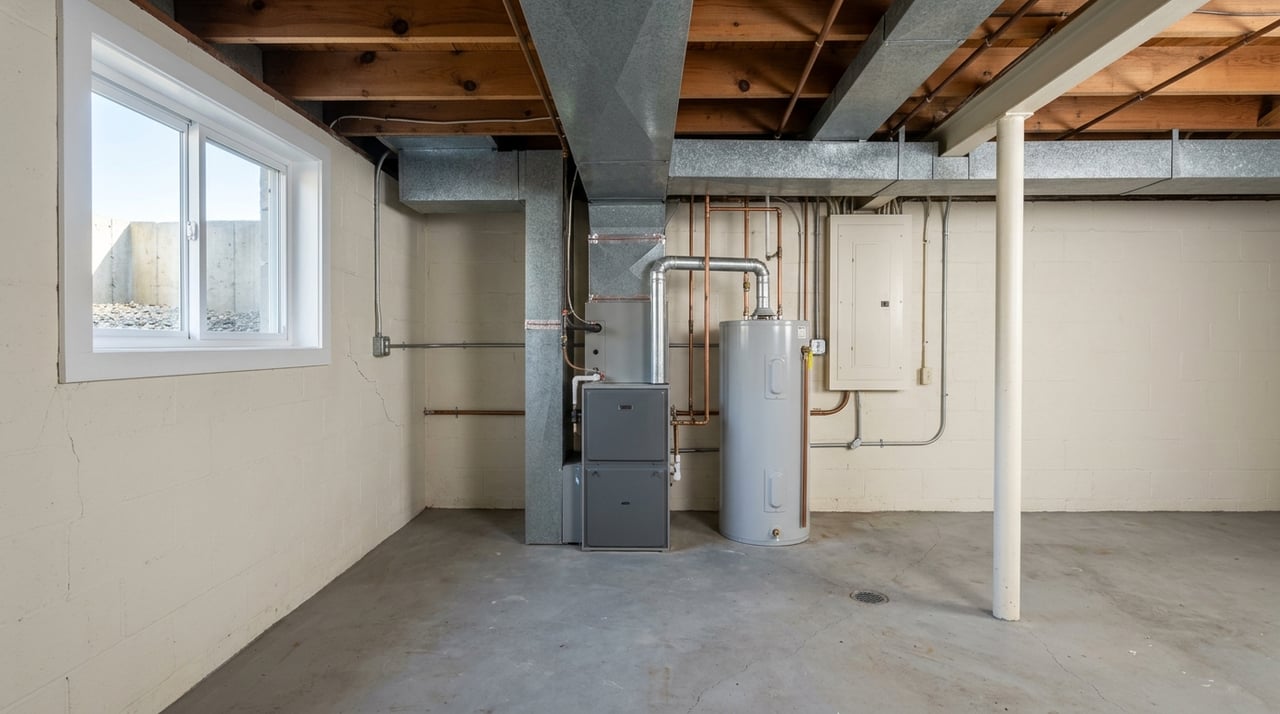
Houses from this era can present aging systems. Watch for galvanized steel plumbing, original single-pane windows, older electrical panels, and furnaces or boilers nearing end of life. Inspectors commonly flag these for further evaluation. If a re-pipe or panel upgrade is needed, factor that into your budget.
Later construction usually began with more modern codes and materials. You still need to verify ages and service records for roof, HVAC, water heater, and more. If an HOA exists, it can affect maintenance of common areas along with what you can change on the exterior.
National consumer guides often place asphalt-shingle roof replacements in the mid four to five figures depending on size, pitch, and materials. Whole-house HVAC replacements also tend to run in the mid four to low five figures depending on scope. Re-piping is a multi-thousand-dollar project when required. Treat these as broad ranges and get local quotes for firm numbers.
Worthington’s home values generally sit above many Columbus suburbs. Recent aggregator snapshots through late 2025 placed the citywide median in the mid $400,000s. Because prices shift quickly and vary by micro-neighborhood, rely on a current MLS analysis and recent comparable sales on your exact block or subdivision.
Use this quick checklist during showings. It works for both village homes and nearby subdivisions.
Choose the village if you value character, sidewalks, and walking to shops and seasonal events. Expect more attention to preservation-friendly maintenance and careful planning for exterior changes.
Choose a nearby subdivision if you want attached garages, standardized lots, and typically newer systems. You will likely drive more for daily errands. If an HOA exists, factor rules and dues into your budget and lifestyle.
If you want a data-driven read on a specific address, a block-by-block pricing review, or a fast strategy to win in this market, reach out to Deborah Parris. You will get clear guidance, neighborhood context, and a plan that fits your timeline.
Your Next move starts with a conversation.
DEBBIE PARRIS
3160 Kingsdale Center Upper Arlington OH 43221