Downsizing To Clintonville: A Guide For Suburban Sellers
July 16, 2026
July 16, 2026
Thinking about trading a larger suburban home for something more manageable, but not ready to give up character, convenience, or access to city amenities? Clintonville often lands on the shortlist for exactly that reason. If you are selling in places like Dublin, Powell, Upper Arlington, or other northwest Columbus suburbs, this guide will help you understand what downsizing to Clintonville can look like in real terms, from pricing and housing options to lifestyle changes and timing your move. Let’s dive in.
Clintonville offers a different kind of value than many outer-ring suburbs. It is an established north-side Columbus neighborhood that the City of Columbus describes as a streetcar suburb, with denser southern blocks and a more suburban feel as you move north. That mix can be appealing if you want a home with personality and a location that feels connected without moving into the center of downtown.
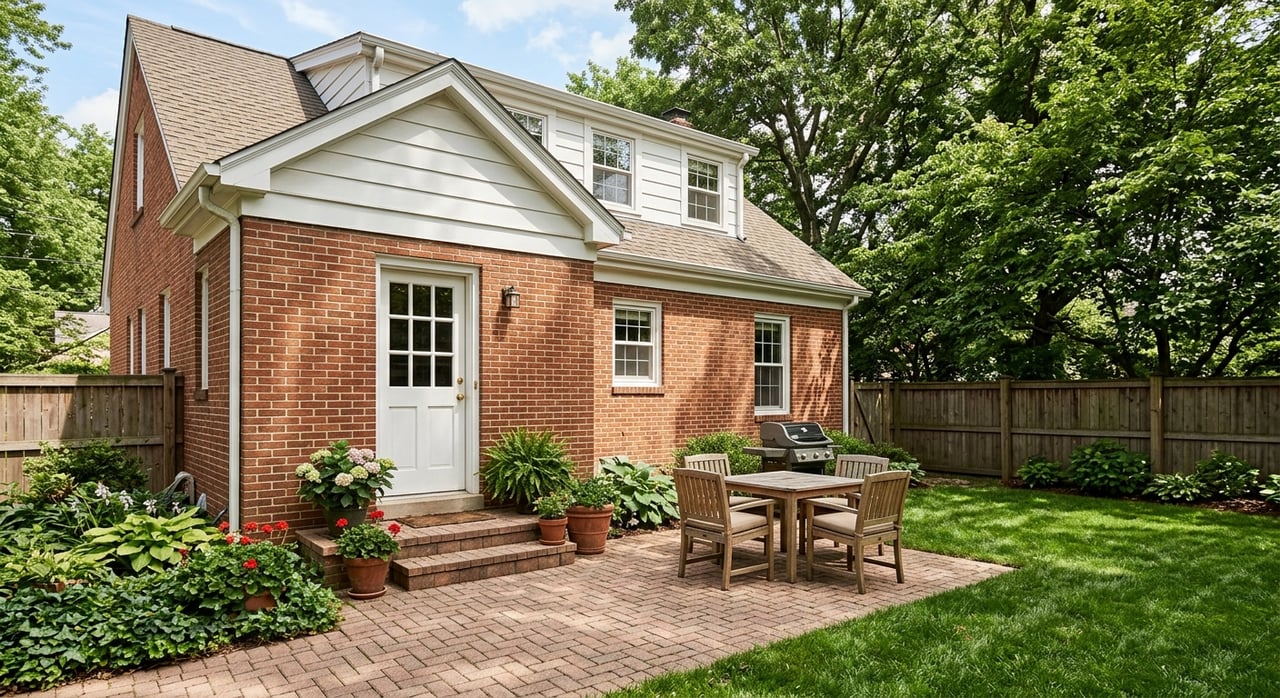
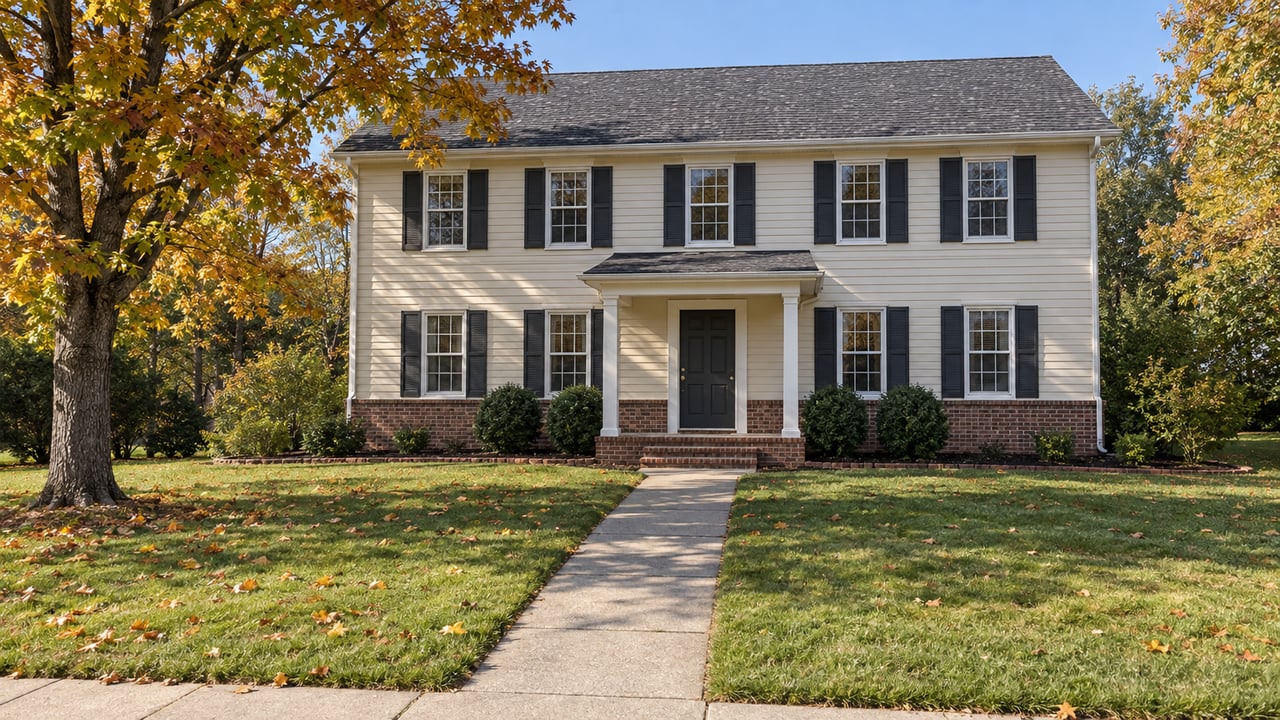
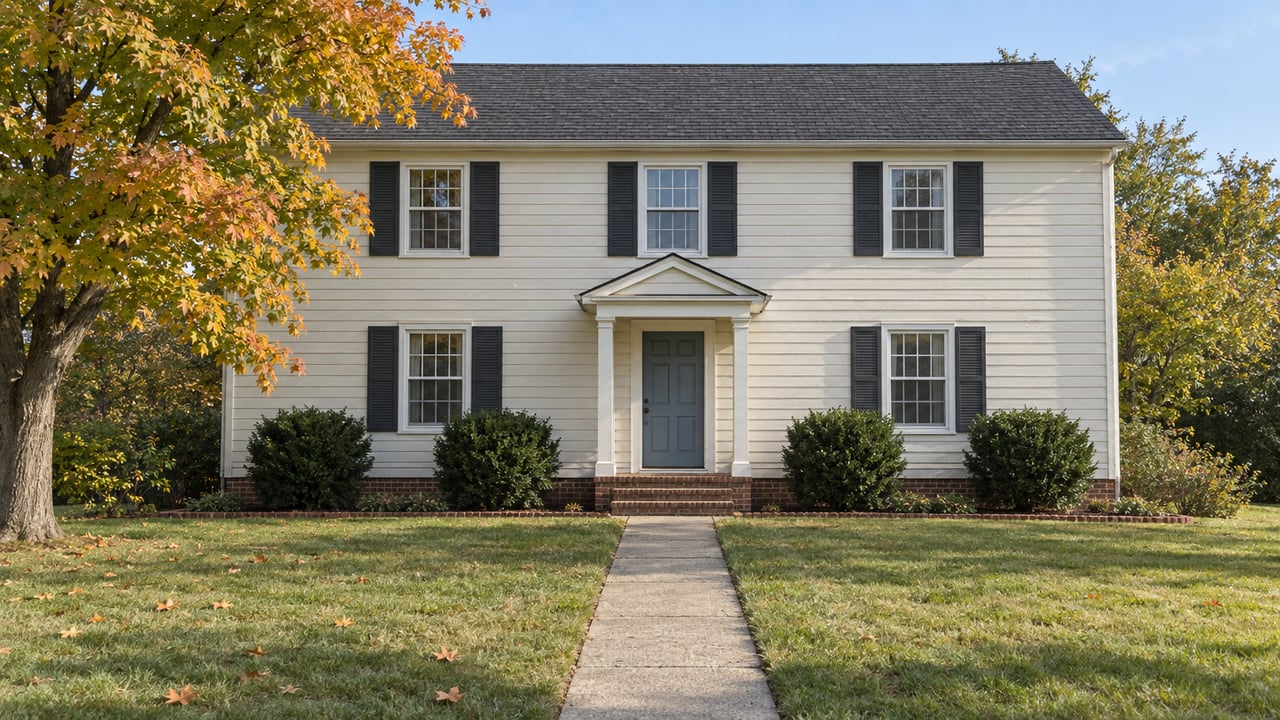
You also get a broad housing mix that is harder to find in many newer suburban areas. According to the Clintonville neighborhood plan, the area includes American Foursquares, Colonial Revivals, Cape Cods, bungalows, ranches, Georgian, Victorian, modern, and French Eclectic homes. In practical terms, that means your downsizing move does not have to feel one-size-fits-all.
For many suburban sellers, the appeal is not just about buying smaller. It is about simplifying your home life while staying in a neighborhood with established streets, nearby shops, parks, and a wide range of home styles.
If you are selling in a higher-priced suburb, Clintonville may offer room to reduce your purchase price and possibly free up equity. Current nearby value snapshots place Dublin around $574,759, Powell around $580,468, and Upper Arlington around $657,233. By comparison, Central Clintonville is around $471,819, and Clintonville’s median listing price is about $464,950.
That does not guarantee a lower monthly cost for every move, of course. Your result depends on your current sale price, mortgage payoff, taxes, insurance, and closing costs. Still, for many move-down buyers, the pricing gap is significant enough to make Clintonville worth a closer look.
Market data also suggests you should be prepared for competition. As of June 2026, Realtor.com shows 88 homes for sale, a median listing price of $464,950, a median sold price of $415,500, and a median 21 days on market, with homes selling at about 100% of list price. Redfin’s May 2026 data is slightly different, with a median sale price of $436,053, about three offers on average, and a median 30 days on market.
The exact numbers vary by source and timing, but the bigger picture is clear. Clintonville is moving at a relatively brisk pace, and well-positioned buyers should expect a market that still favors clean, realistic offers.
One of the biggest misconceptions about downsizing is that it always means moving into a condo or giving up detached living. In Clintonville, that is not necessarily true. The city plan shows that single-family land use makes up about 60% of the planning area, while multifamily and two- to three-family uses make up much smaller shares.
That matters if you want flexibility. You may be able to move from a larger suburban home into a smaller detached house, a ranch-style option, an attached home, or in some cases a condo or apartment-style residence near commercial corridors.
Price points also vary more than many buyers expect. Realtor.com neighborhood medians range from about $315,000 in Maize-Morse and $375,000 in East Beechwold to $429,000 in South Clintonville, $495,000 in The Knolls, $539,000 in Central Clintonville, and $615,000 in Whetstone.
That range is useful because downsizing does not always mean spending less at all costs. You may decide to buy a smaller home in a higher-priced pocket, or a more affordable home in another part of Clintonville and keep more cash available after your sale.
Listing examples reinforce just how wide the range can be. Zillow’s current Clintonville listings include examples from a $169,000 condo and a $294,900 house to homes in the $400,000s, $500,000s, and above $1 million.
The takeaway is simple: Clintonville is not a single-price neighborhood. If you are moving from the suburbs, it helps to define whether your goal is lower maintenance, lower cost, location convenience, architectural character, or some mix of all four.
For many suburban sellers, the biggest adjustment is not square footage. It is how the neighborhood functions day to day. Clintonville’s older urban form, grid layout, and alley access in many areas usually mean less yard and closer proximity to neighbors than you may be used to in places like Powell or Dublin, especially in the southern half of the neighborhood.
For some buyers, that feels like a compromise at first. For others, it becomes one of the best parts of the move. Less yard can mean less upkeep, lower maintenance demands, and more time to enjoy the neighborhood itself.
Commercial uses are concentrated along High Street and Indianola Avenue, which can make daily errands more convenient than in a typical outer suburb. If you are hoping to reduce the number of car trips you make each week, that can be a meaningful quality-of-life change.
A smaller yard does not mean giving up green space. Whetstone Park is a 149-acre regional park in Clintonville and also serves as a trailhead for the Olentangy Trail. Within the park, the Columbus Park of Roses includes 13 acres and more than 350 varieties of roses, with 11,000 total roses.
That is an important part of the downsizing equation. You may not need a large private yard if you have easy access to well-loved public outdoor space.
Clintonville also offers transit options that many suburban movers may not be used to considering. COTA Line 2 runs along High Street and connects Clintonville with Downtown, the Short North, and Bexley. Line 4 runs along Indianola through Clintonville, and Line 102 provides limited northbound service to Worthington and Polaris.
If part of your goal is to simplify driving or keep one car trip from becoming every car trip, those routes add practical flexibility. Even if you still drive most of the time, having transit available can make the neighborhood feel more connected.
The logistics of downsizing are often more stressful than the decision itself. If you are selling a suburban home and buying in Clintonville at the same time, timing matters because the market is relatively fast and inventory is limited.
The most defensible general approach is to sell first when possible. The CFPB states that if you want to move, you normally try to sell your home before buying another one. That advice fits a market like Clintonville, where homes have recently been moving in roughly 21 to 30 days and often close close to list price.
At the same time, buying and selling together takes planning. Realtor.com notes that the process often involves pre-approval, the possibility of carrying two mortgages, and a backup plan if timelines shift. It also notes that a home-sale contingency can reduce risk, but may make your offer less attractive in a competitive market.
If you are aiming for a smoother move, start the second transaction before your first listing goes live. That does not mean making an offer too early. It means building a plan with enough clarity that you can move quickly when the right home appears.
A practical sequence often looks like this:
This is where a data-driven approach matters. A smaller purchase does not automatically make the move simple. You still need to account for cash flow, carrying costs, neighborhood fit, and how competitive you can be when you write an offer.
Before you list your suburban home, it helps to answer a few key questions. These are the issues that tend to shape whether downsizing feels freeing or frustrating.
Do you want fewer rooms to maintain, a smaller yard, a first-floor living setup, or simply a lower purchase price? Those are not all the same thing. Clintonville’s housing mix gives you options, but your search will be much more effective if you know which tradeoffs you actually want.
Some parts of Clintonville are closer to High Street activity, while others feel quieter and more residential. Some price bands may open more choices than others. If walkability and quick errands are important, that may point you one direction, while a preference for a more suburban-feeling block may point you another.
Because Clintonville remains fairly tight, it helps to be mentally ready for a quick decision window. If homes are going under contract in a few weeks and drawing multiple offers on average, preparation becomes part of your buying strategy.
Downsizing from the suburbs into Clintonville is not just a move from one house to another. It is a shift in budget, pace, property type, and daily routine. The right strategy should connect all of those pieces, not treat them separately.
That is especially true if you want to protect your equity on the sale side while also buying smart in a neighborhood with varied housing stock and a fairly competitive market. Clear pricing, strong preparation, and realistic expectations can make the move feel far more manageable.
If you are considering a move from Upper Arlington, Dublin, Powell, Worthington, or another nearby suburb, Deborah Parris can help you evaluate your sale range, compare Clintonville options, and build a plan that fits your timing and goals.


Your Next move starts with a conversation.
DEBBIE PARRIS
3160 Kingsdale Center Upper Arlington OH 43221