Buying an Older Home in Worthington: What Matters Most
June 25, 2026
June 25, 2026
Thinking about buying an older home in Worthington? You are not alone, and for good reason. In a city where historic character and mid-century design are part of the local housing landscape, older homes can offer charm, location, and lasting appeal, but they can also come with questions about condition, updates, and future costs. This guide will help you understand what to look for, what to ask, and how to make a more confident decision before you buy. Let’s dive in.
Older homes are not the exception in Worthington. They are a major part of what defines the city’s housing stock and identity.
Worthington was founded in 1803 as one of the Midwest’s first planned communities, and its original village green and downtown core still shape the feel of the area today. According to the city’s 2024 housing needs assessment, the median year built is 1964, 37% of housing units were built before 1950, and 80% of structures are one-unit detached homes. For you as a buyer, that means your search may include everything from prewar homes to postwar ranches, not just newer construction.
Understanding a home’s era can help you spot likely layout patterns, materials, and update needs. In Worthington, several architectural styles appear again and again.
Built largely in the 1830s through 1850s, these homes are among the earliest in Worthington. They are often wood-frame homes with gabled or hipped roofs, symmetrical facades, and classical details like corner boards, transoms, sidelights, or porch trim.
If you are looking at one of these homes, you may be buying a piece of early Worthington history. You should also expect that age alone makes careful review of systems, structure, and prior renovations especially important.
Homes from roughly the mid-1800s to early 1900s can have more decorative details and more complex floor plans. In Worthington, Second Empire homes often feature mansard roofs and bracketed cornices, while Queen Anne homes may include towers, turrets, wraparound porches, and varied materials.
These homes can be visually striking, but their irregular layouts and layered additions may require extra attention during inspections. What feels charming on first walk-through can also mean more moving parts to maintain.
Built mostly from 1905 through the 1930s, these homes often include low-pitched or gabled roofs, wide eaves, exposed rafters, and deep front porches. Worthington’s bungalows and foursquares often reflect these same Craftsman features.
Many buyers love these homes for their warmth and curb appeal. Still, you will want to look past the finishes and ask how well the home has been updated for modern comfort and efficiency.
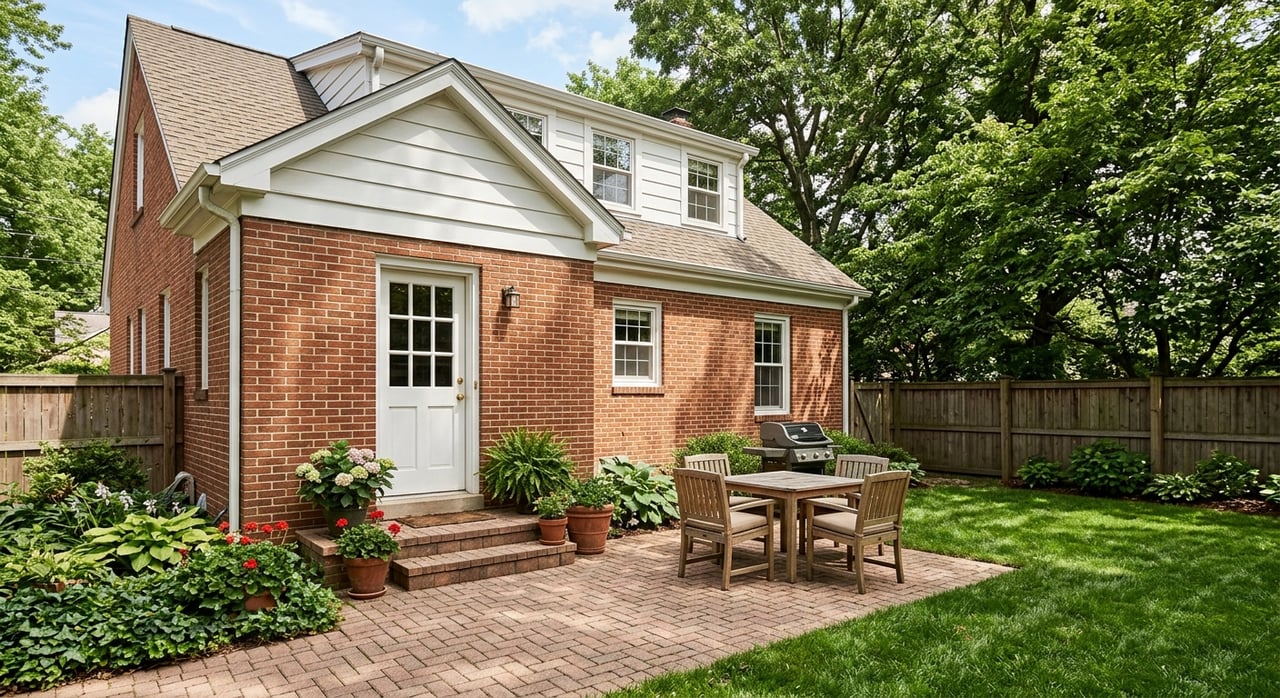
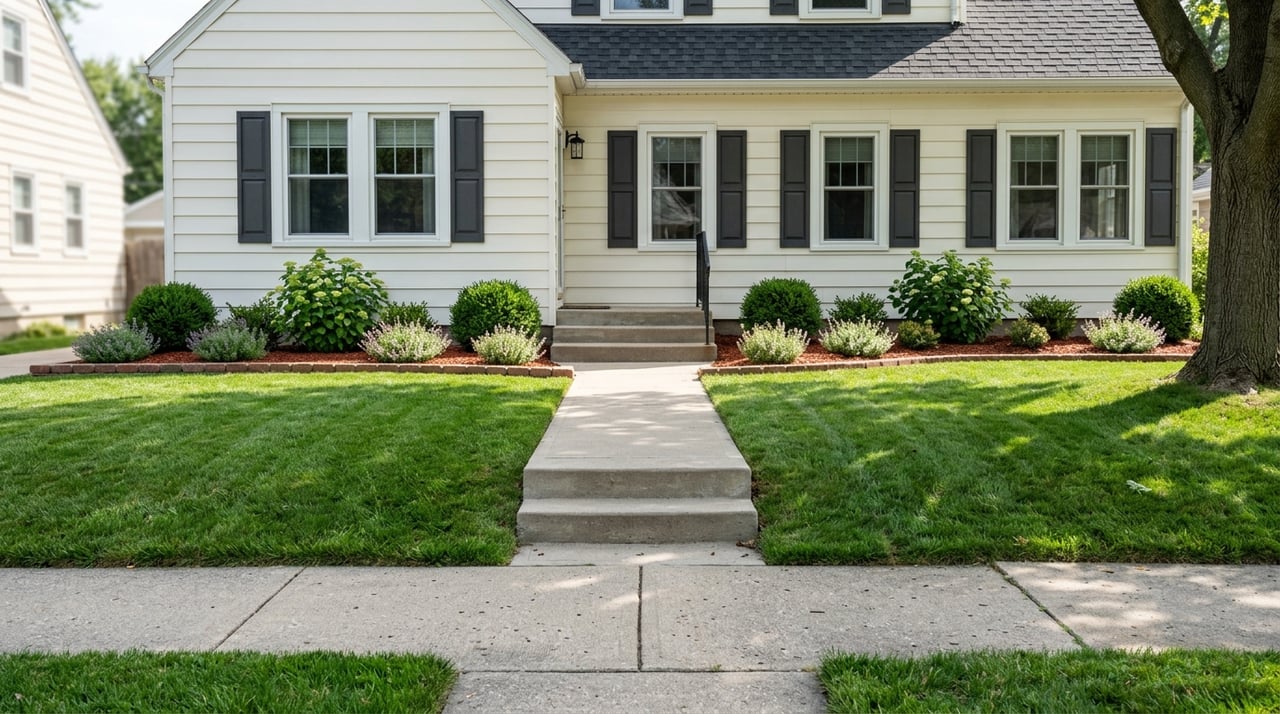
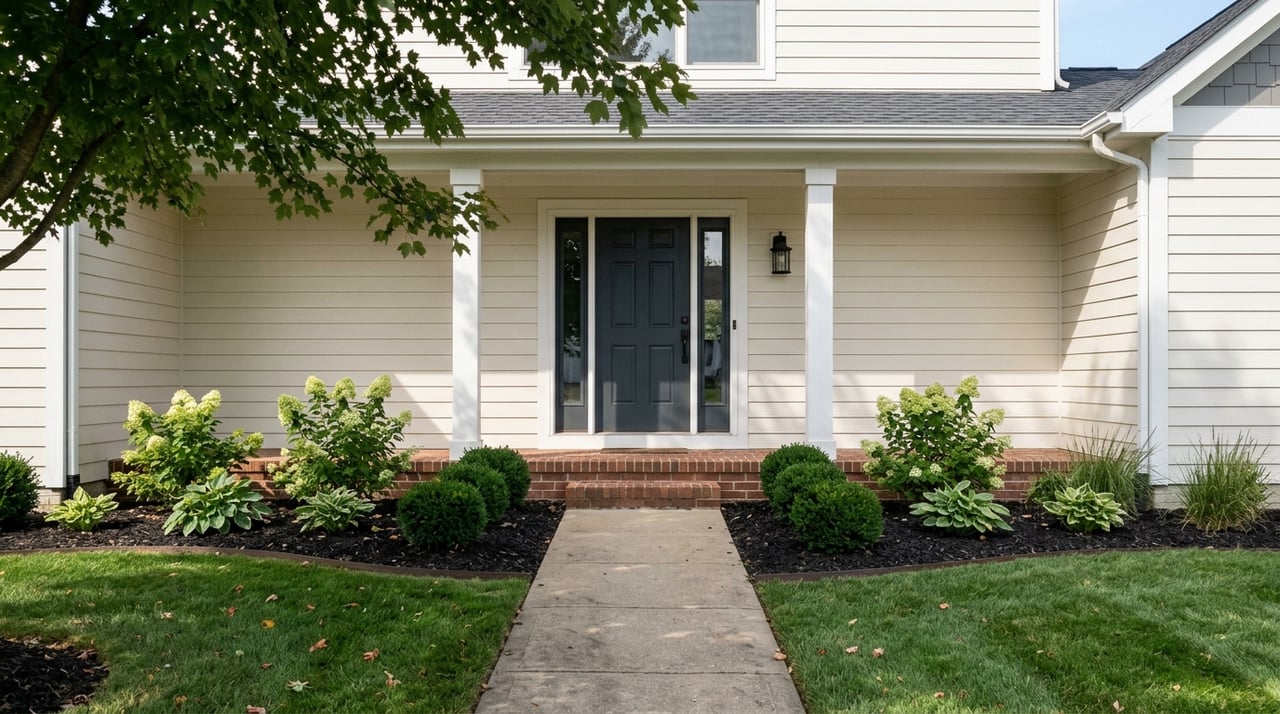
These homes became common from the 1920s through the 1950s. You will often see central entrances, dormers, shutters, brick or wood siding, and simple rectangular forms.
Because these homes make up a large share of Worthington’s interwar and early postwar housing, they are often a practical option for buyers who want character without the complexity of the oldest housing stock. Even so, age-related issues can still show up in insulation, windows, roofing, and mechanical systems.
Worthington’s postwar growth brought many ranch and split-level homes from the 1940s through the 1970s. Ranch homes often have low rooflines, large picture windows, and attached garages.
These homes can offer easier everyday living and layouts that appeal to many buyers. At the same time, their systems and energy performance can vary widely depending on when upgrades were done and how extensive they were.
Character matters, but condition matters more. When you buy an older home, the biggest surprises usually come from what you cannot fully see during a casual showing.
A home inspection is designed to inform you before you commit. HUD notes that an inspection can help estimate the remaining useful life of major systems, equipment, structure, and finishes, and it can support an inspection contingency in your purchase contract. HUD also makes an important distinction: an appraisal is not the same thing as a home inspection.
That distinction matters in older homes. A home can appraise for value and still need substantial work.
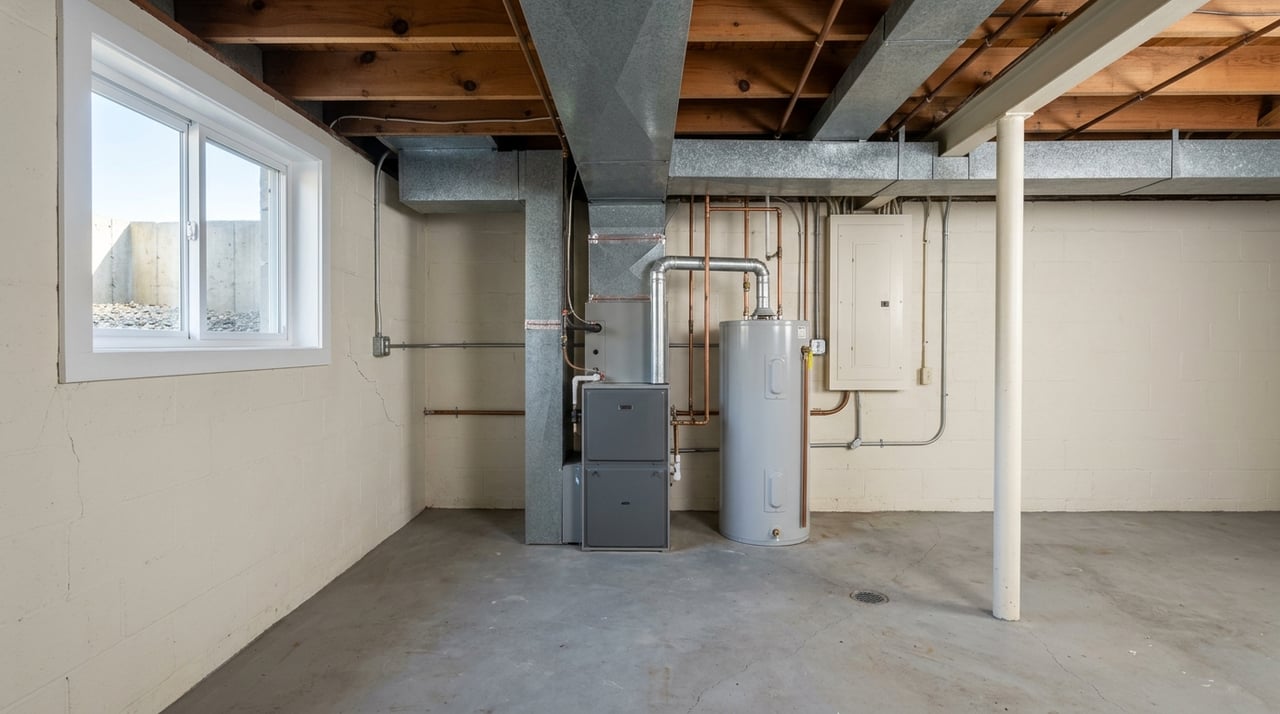
Mechanical systems are often the first place older-home buyers run into unexpected expense. A beautiful kitchen or fresh paint can distract from aging equipment that may need replacement sooner than you think.
Worthington’s permit process specifically references common equipment replacements such as furnaces, water heaters, electrical service panels, and air conditioners. That is a useful reminder that even routine updates can involve permits and inspections.
Before you buy, ask clear questions about:
If the seller has records for replacement dates or past permit work, those details can help you build a clearer picture of near-term costs.
Energy performance can vary a lot from one older home to another. Two homes from the same era on the same street may feel very different in winter or summer.
The Department of Energy notes that many older homes have less insulation than newer homes. It recommends identifying where insulation already exists, then air sealing before adding more. Key areas include attics, exterior walls, floors above unconditioned spaces, band joists, windows, and doors.
This is especially important in Worthington, where many homes have been updated in stages over time. Insulation in one wall or one finished area does not mean the whole house performs the same way.
As you tour a home, think beyond finishes and ask practical questions like:
If you plan to make exterior updates, location within Worthington matters. Some homes fall within areas where exterior changes face additional review.
Old Worthington’s National Register historic district includes more than 450 properties. In the city’s Architectural Review District, exterior alterations or new construction may require a Certificate of Appropriateness before a building permit can be issued.
That does not mean you cannot improve the property. It does mean you should understand the process before assuming a future project will be simple.
Worthington’s guidelines note that ordinary repair and maintenance are exempt, but larger exterior work may involve:
If you are buying with renovation plans in mind, this is one of the most important local details to confirm early.
For homes built before 1978, lead disclosure rules apply. The EPA states that sellers, landlords, real estate agents, and property managers must disclose known lead-based paint information before a contract is signed, provide the lead pamphlet, and give buyers a 10-day period to inspect or assess for lead hazards.
This does not mean every pre-1978 home has a current lead hazard. It does mean you should treat the disclosure process seriously and decide whether additional evaluation makes sense for your situation.
A standard home inspection may not answer every question in an older property. HUD recommends asking whether additional health and safety tests are relevant.
Depending on the home, that could include testing or evaluation for:
The right mix depends on the property’s age, condition, and history. A thoughtful inspection strategy can help you move forward with fewer surprises.
One of the smartest ways to approach an older home is to separate your budget into two categories. The first is for immediate system, safety, or function-related work. The second is for cosmetic updates you may want to make over time.
This approach helps you avoid spending your full budget on style choices before you understand the home’s true needs. Since inspections can reveal remaining useful life and likely repairs, and since even basic equipment replacement may involve permits in Worthington, it is wise to keep a contingency fund for the unexpected.
A practical budget framework looks like this:
| Budget Category | What It Covers |
|---|---|
| Immediate needs | Safety concerns, failing systems, major repairs, essential replacements |
| Planned improvements | Cosmetic changes, layout tweaks, finish updates, longer-term projects |
| Contingency fund | Unknowns that may appear after closing or during contractor review |
Buying an older home in Worthington is often a balance between character and cost, history and practicality, beauty and maintenance. The right home is not always the one with the most charm at first glance. It is the one whose condition, update path, and ownership costs match your goals.
That is where a data-driven approach really helps. When you evaluate the home’s style, systems, energy performance, lead-safety considerations, and any local review requirements together, you can make a stronger offer and a better long-term decision.
If you are weighing older homes in Worthington and want clear, thoughtful guidance through the search, inspection, and decision process, Deborah Parris can help you buy with confidence.
Your Next move starts with a conversation.
DEBBIE PARRIS
3160 Kingsdale Center Upper Arlington OH 43221