What It’s Like Living in Powell, OH Day to Day
June 18, 2026
June 18, 2026
If you are trying to picture what daily life in Powell really feels like, the answer is not just about home prices or a map pin north of Columbus. It is about how your housing options, outdoor routines, errands, and commute all fit together in one place. If you are considering a move or simply want a clearer sense of the area, this guide will walk you through what everyday life in Powell looks like and why it stands out in the northwest Columbus corridor. Let’s dive in.
Powell is a small suburban city in Delaware County, just north of Columbus. City planning materials describe it as a former rural village that has grown into a suburban community while keeping its small-town character.
That mix shows up in everyday life. You get access to metro-area amenities, but you also have a historic downtown, local parks woven into the community, and a layout that still feels distinctly residential.
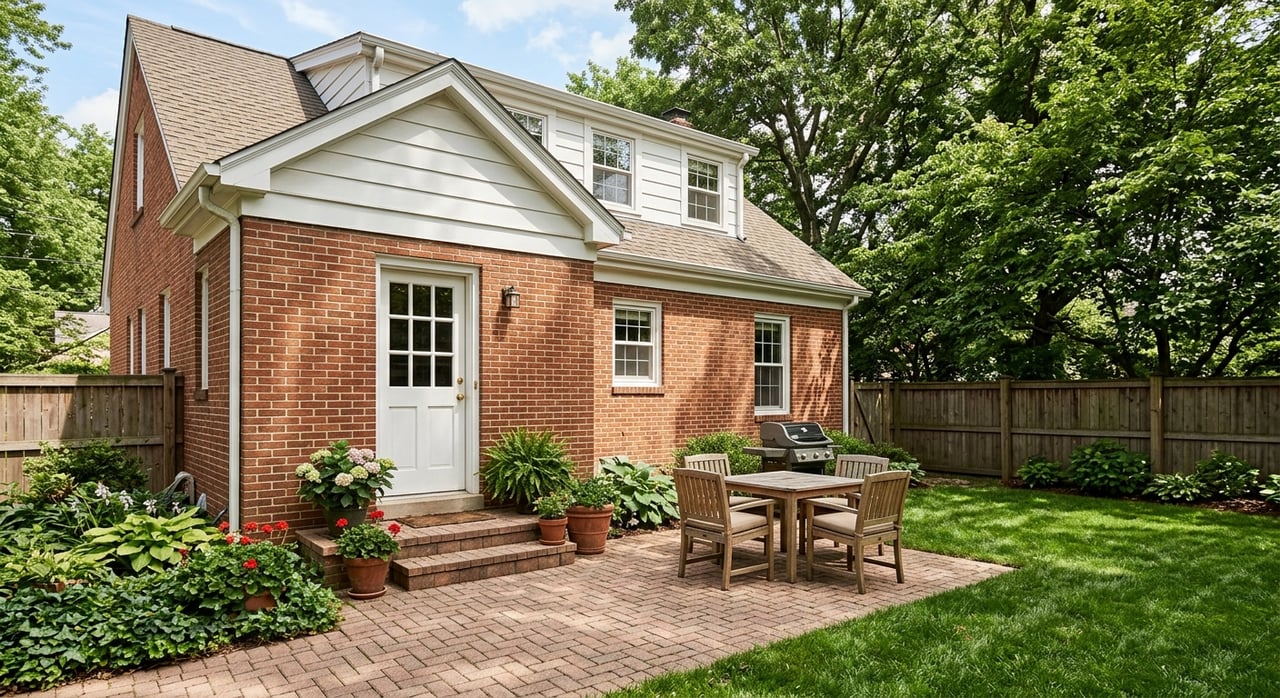
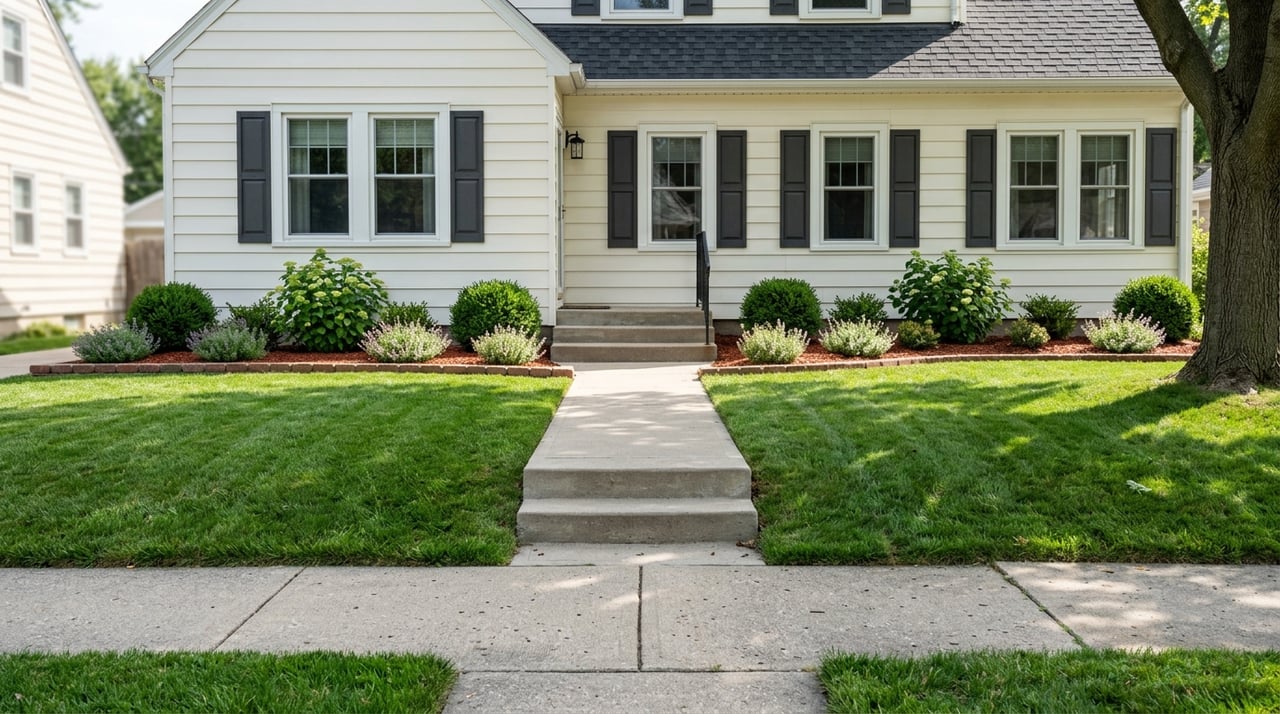
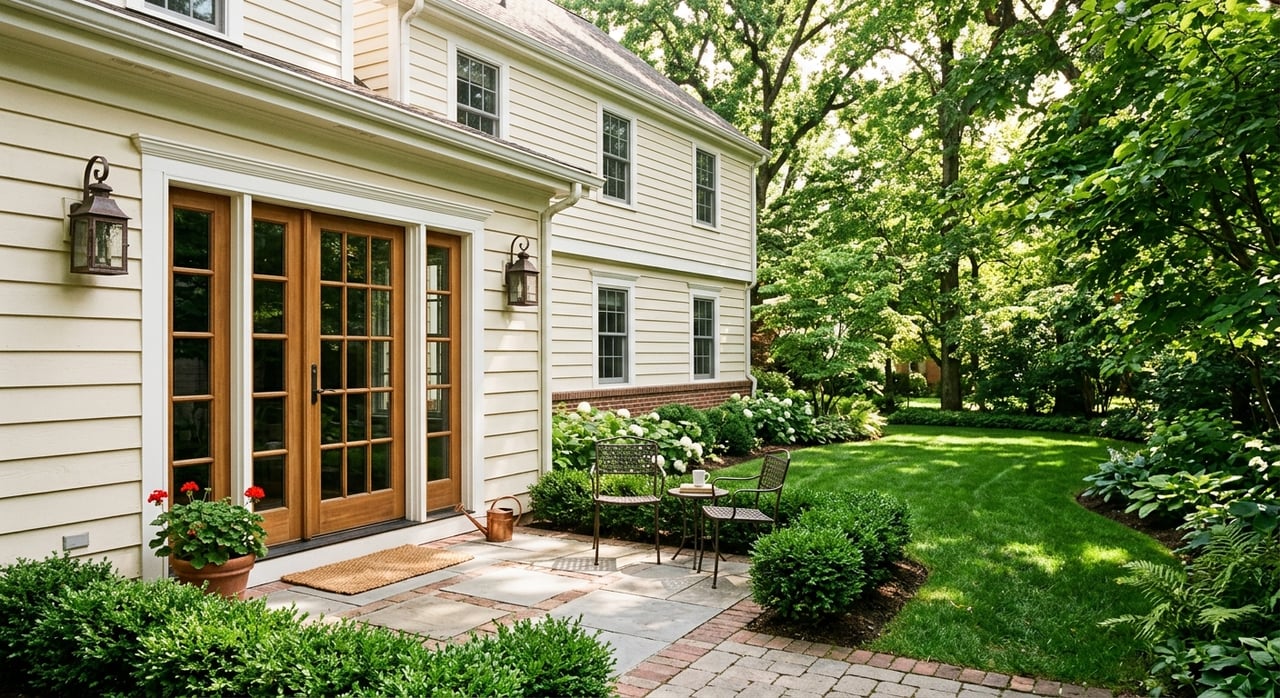
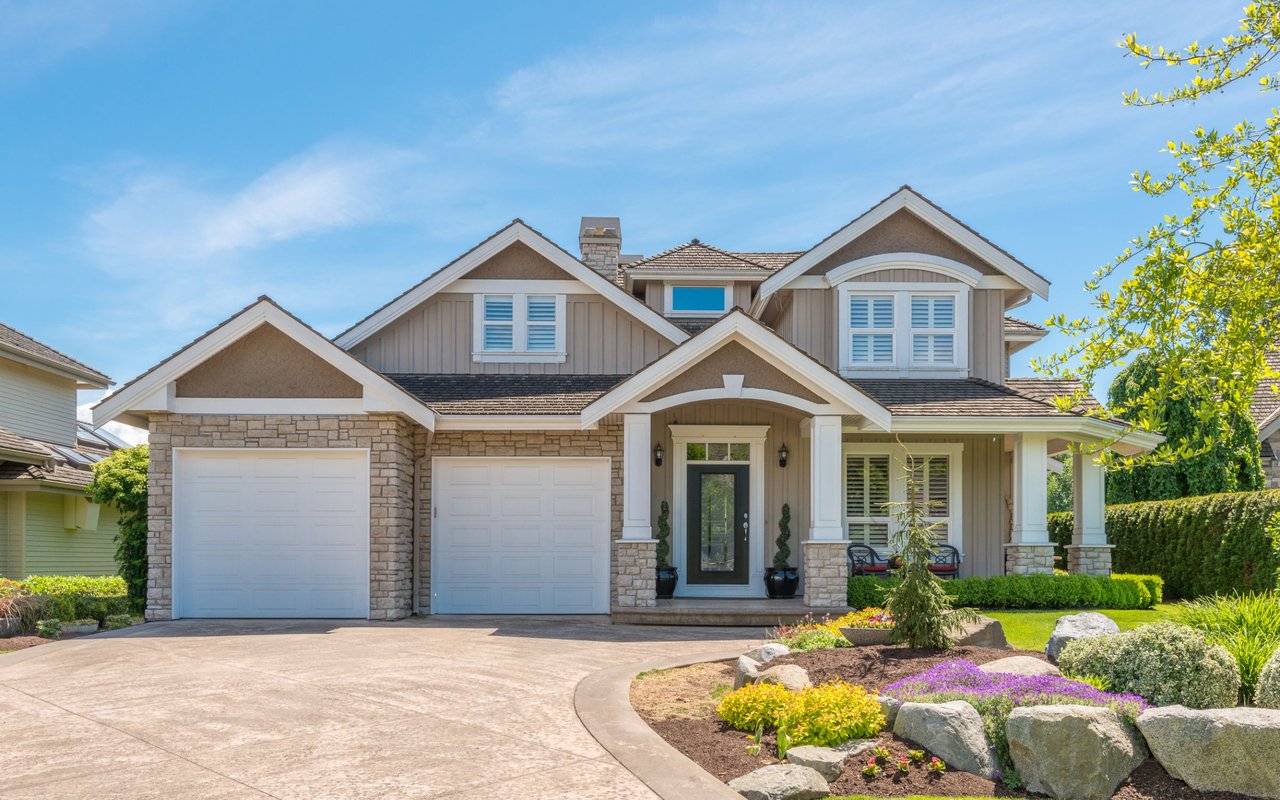
Powell’s housing pattern is largely suburban and low-rise. Data in the community profile shows that 85.3% of homes are 1-unit detached, and 10.8% are 1-unit attached, which gives you a strong sense of the built environment.
In practical terms, that means you will see a lot of single-family homes, attached housing in smaller numbers, and a community shaped around residential streets rather than dense urban blocks. The same data also shows that 98.0% of occupied units are owner-occupied, which points to a housing base centered heavily on homeownership.
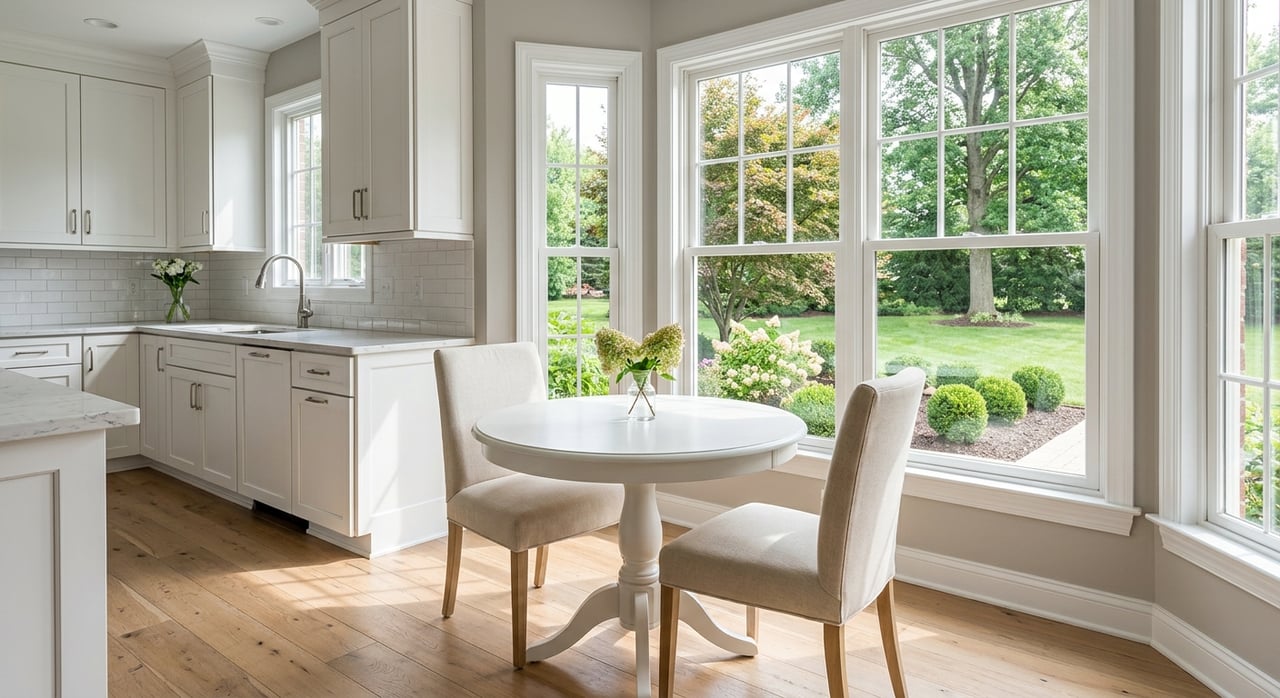
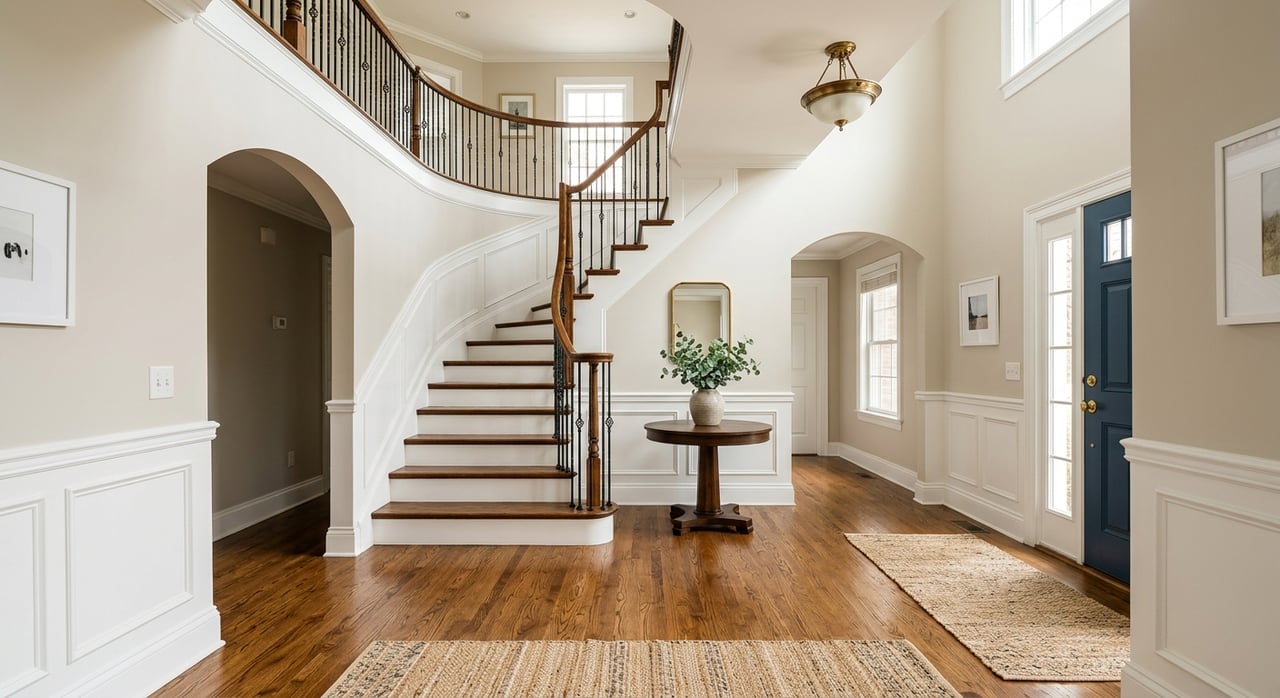
Powell’s housing stock tends to skew larger. About 60.6% of homes have four bedrooms, and the reported median home value is $561,500.
For buyers, that suggests Powell often appeals to people looking for more interior space and a traditional suburban layout. For sellers, it helps explain why presentation, pricing, and market positioning matter in a market where many homes may compete within similar broad categories.
Powell’s daily rhythm is still shaped by driving, even with a walkable downtown core. Census snapshot data shows that 52.1% of occupied households have two vehicles, and 28.1% have three or more.
That does not mean every errand requires a long drive. It does mean Powell functions like many established suburbs, where cars remain a central part of work commutes, shopping trips, and regional access.
Powell’s 2025 planning diagnostic notes that urban-fringe communities often have limited housing diversity. The report recommends considering more housing types such as triplexes, multiplexes, cottage courts, and courtyard apartments.
For now, Powell is still mostly known for its single-family character. But if you are watching the area long term, that planning discussion is worth noting because it signals interest in a broader range of housing options in the future.
One of Powell’s strongest lifestyle advantages is how easy it is to build outdoor time into your week. The city reports 114 acres of parkland, seven award-winning parks, 29 miles of interconnecting bike trails, a splash pad, and more than 200 recreation and education activities.
That is more than a nice extra. It means parks and trails are part of the everyday routine, whether you want a playground stop, a walking path, or space to spend time outside close to home.
Several Powell parks stand out because they support different kinds of routines. Adventure Park includes a 17,000-square-foot skate park, eight pickleball courts, playgrounds, and basketball courts.
Library Park combines fields, court games, a playground, and the Powell Branch library in one spot. Meadowview Park offers a forest trail, fishing pond, and playground, while Seldom Seen Park includes soccer fields, baseball diamonds, a nature preserve, and multi-use paths.
Village Green Park serves as a key downtown gathering space, with the splash pad and community events such as the Powell Festival. Taken together, these parks create options for active recreation, casual outings, and community events without needing to travel far.
One detail that matters in real life is proximity. Powell’s parks page notes that residents can walk or bike from parks to downtown Powell, the library, and ice cream shops.
That says a lot about how the city is arranged. Recreation is not pushed to the edges of town. In many cases, it is connected to the same places you might already visit during a normal week.
If you want even more outdoor space, Highbanks Metro Park in nearby Lewis Center adds another layer of access. It offers paved, pet-friendly trails, including Big Meadows Path and the Multiuse Trail.
More broadly, the Metro Parks system manages 22 parks and more than 270 miles of trails across central Ohio. For Powell residents, that expands your options for weekend walks, longer bike rides, and nature time beyond the city limits.
Downtown Powell plays an important role in the city’s day-to-day appeal. According to the city’s economic strategy, downtown offers dining, breweries, pet services, and retail, and its walkability helps reinforce the village feel of the community.
That matters if you want more than a bedroom community. A walkable downtown can make casual plans easier, give you local options close to home, and create a stronger sense of place than a purely drive-through suburban pattern.
Recent city development announcements point to a downtown mix that includes Nocterra Brewing, The Locust Table, Oishii Japanese Bistro, Espresso 22, Huli Huli, Kraft House No. 5, and COhatch. That lineup suggests a local business environment shaped by independent restaurants, coffee spots, breweries, and shared workspace uses.
For residents, that translates into practical convenience and variety. You have places for a quick coffee, dinner plans, casual meetups, and daytime work sessions without leaving Powell.
Convenience is also about how easy downtown is to use. The city has added free parking through lots and on-street spaces, along with sidewalk, parking, and street-extension projects.
Those changes may sound small, but they affect how often people actually use downtown. Easier parking and better pedestrian connections can make a noticeable difference in whether downtown feels simple and functional for everyday errands or meetups.
COhatch’s downtown campus adds private offices, coworking space, meeting rooms, and a rooftop lounge. If you work remotely or hybrid, that creates a flexible option close to home.
For some buyers, that can be a meaningful quality-of-life factor. A nearby third place for work, meetings, or focused time can make suburban living feel more connected and adaptable.
Powell is closely tied to the larger Columbus-area job market. The city’s economic strategy reports that 97% of employed Powell residents commute outside the city, while 93% of people who work in Powell live elsewhere.
That tells you Powell functions strongly as a residential base. Many people live there for the housing and lifestyle, then connect outward to employment centers across the region.
Among Powell residents, the largest work destinations are Columbus at 40.9%, Washington Township at 8.1%, Liberty Township at 6.7%, Orange Township at 3.2%, and Westerville at 2.2%. Those patterns reflect Powell’s position within the northwest Columbus corridor.
If you are relocating, this helps frame expectations. Powell can offer a suburban home base while still keeping you connected to multiple employment hubs rather than just one central destination.
City road notices reference Sawmill Parkway, I-270, SR 315, and SR 750 as key parts of the area’s transportation network. Those connections help explain how Powell ties into the broader northwest Columbus road system.
In daily life, that means regional access is part of the package. Whether you are commuting, running errands beyond city limits, or meeting people across the metro, Powell is positioned for those movements.
A major Ohio State health care project is under development at Home Road and Sawmill Parkway. Ohio State’s Outpatient Care Powell is planned to provide specialty care along with diagnostic and treatment services in a community setting.
For residents, that signals growing convenience in a practical category that affects long-term livability. Access to nearby services often becomes more important over time, especially for busy households managing work and daily routines.
When you put the pieces together, Powell reads as a community built around owner-occupied suburban housing, connected parks and trails, a walkable downtown core, and strong regional access. It offers a residential feel, but not an isolated one.
You can spend a morning on a trail, stop downtown for coffee or a meal, and still stay connected to the Columbus job market and major roads. That combination is a big part of Powell’s appeal for buyers who want space and convenience in the same place.
If you are weighing a move to Powell or preparing to sell there, local context matters. The right strategy depends on how the neighborhood, housing type, and lifestyle fit your goals. For thoughtful, data-driven guidance in Powell and across the northwest Columbus area, connect with Deborah Parris.
Your Next move starts with a conversation.
DEBBIE PARRIS
3160 Kingsdale Center Upper Arlington OH 43221